The state of Maharashtra is poised for a significant democratic exercise as local body elections are scheduled to be held on December 2. The polls are set against a backdrop of political complexities, including strains within alliances and ongoing legal entanglements.
A Massive Electoral Machinery in Motion
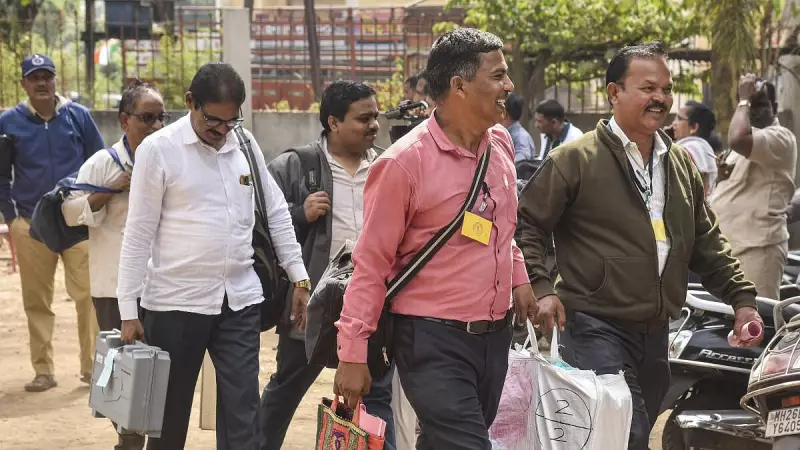
Authorities have laid extensive groundwork to ensure the smooth conduct of the elections. A substantial electorate of over 1.07 crore voters is eligible to participate in this crucial process. These voters will cast their ballots across 13,355 polling booths established throughout the state.
To manage this large-scale event, the election commission will deploy Electronic Voting Machines (EVMs) at every polling location. Furthermore, a robust force of more than 66,000 personnel has been assigned to oversee the entire electoral exercise, ensuring security and procedural integrity.
Political Landscape: Alliances Under Strain
The run-up to the elections has been marked by notable political friction. The existing alliances between major parties are experiencing visible strain, leading to what political observers term "friendly fights" in several constituencies. This internal competition within coalitions adds an unpredictable dynamic to the electoral contest.
Compounding the political challenges are several legal tangle that have surrounded the election process. These issues have introduced an additional layer of complexity to the pre-poll environment, keeping both administrators and political parties on their toes.
What the Polls Mean for Maharashtra's Future
The outcome of these local body elections will have a direct impact on governance and development at the grassroots level across Maharashtra. The results are seen as a key indicator of public sentiment and a test for the current political equations in the state.
With the massive deployment of EVMs and security personnel, the focus is now on ensuring a free, fair, and peaceful voting day on December 2. The participation of over one crore voters will ultimately shape the leadership of local civic and administrative bodies, influencing daily life in the state's urban and rural centres.