

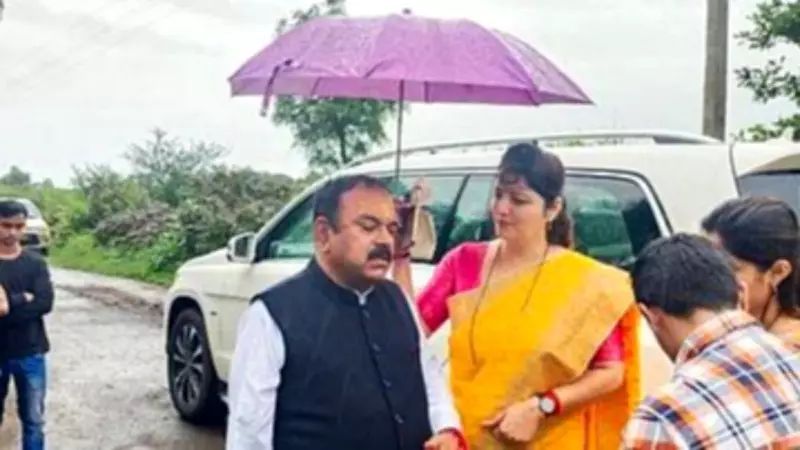
Maharashtra Women's Panel Chief Faces Resignation Demand Over Alleged Ties to Rape-Accused Astrologer
In a significant development that has sent shockwaves through Maharashtra's political and social circles, Rupali Chakankar, the chairperson of the Maharashtra State Commission for Women (MSCW), has been asked to resign. This demand stems from allegations of her connections with Ashok Kharat, a Nashik-based astrologer who is currently accused in a rape case. The controversy has ignited a fierce debate over accountability and ethical standards within state-appointed bodies tasked with protecting women's rights.
Details of the Allegations and Public Outcry
The call for Chakankar's resignation emerged after reports surfaced linking her to Ashok Kharat, who faces serious charges in a rape case. According to sources, Chakankar's alleged association with Kharat has raised questions about her suitability to lead the women's commission, given its mandate to advocate for victims and ensure justice. Critics argue that such ties could undermine the commission's credibility and effectiveness in addressing gender-based violence.
Public reaction has been swift and vocal, with women's rights activists and opposition parties demanding immediate action. They emphasize that the chairperson of a women's panel must maintain impeccable integrity and avoid any associations that could compromise its mission. The incident has also sparked discussions on the need for stricter vetting processes for appointees to such sensitive positions.

Background on Rupali Chakankar and the Commission's Role
Rupali Chakankar was appointed as the chairperson of the Maharashtra State Commission for Women, a statutory body established to safeguard women's interests and address grievances related to discrimination and violence. Her tenure has been marked by various initiatives aimed at empowering women and promoting gender equality across the state. However, this recent controversy threatens to overshadow her contributions and cast a shadow over the commission's work.
The MSCW plays a crucial role in investigating complaints, recommending policy changes, and raising awareness on women's issues. Any perception of impropriety at its helm could potentially hinder its ability to function effectively and erode public trust.
Ashok Kharat's Case and Its Implications
Ashok Kharat, the astrologer at the center of the storm, is facing legal proceedings in a rape case that has drawn widespread attention. Details of the case include allegations of sexual assault, with investigations ongoing to ascertain the facts. Kharat's connection to Chakankar, however tenuous, has become a focal point for critics who argue that it reflects poorly on her judgment and commitment to women's safety.
Legal experts note that while individuals are innocent until proven guilty, public figures in positions of authority must exercise caution in their associations to avoid conflicts of interest. The situation underscores the broader challenges in balancing personal relationships with professional responsibilities, especially in roles dedicated to social justice.
Political and Social Repercussions
The demand for Chakankar's resignation has quickly escalated into a political issue, with opposition leaders seizing the opportunity to criticize the state government's appointments. They allege that the incident exposes lapses in governance and calls for greater transparency in selecting officials for key posts. In response, supporters of Chakankar have urged patience, emphasizing the importance of due process and avoiding premature judgments.
Women's organizations have also weighed in, stressing that the controversy should not detract from the commission's vital work but rather serve as a reminder of the high ethical standards required in such roles. Many are calling for a thorough investigation to clarify the nature of Chakankar's links to Kharat and determine appropriate actions.

Looking Ahead: Potential Outcomes and Broader Impact
As the situation unfolds, several potential outcomes are being considered. Chakankar may choose to resign voluntarily to preserve the commission's integrity, or she might contest the allegations and seek to clear her name. The state government could also intervene, possibly initiating an inquiry to assess the facts and make a decision based on its findings.
This incident highlights the delicate balance between personal liberty and public accountability for officials in sensitive positions. It also raises important questions about how associations, even if indirect, can impact perceptions and effectiveness in roles focused on social welfare. Moving forward, stakeholders are advocating for clearer guidelines and robust mechanisms to prevent similar controversies in the future.
In conclusion, the call for Rupali Chakankar's resignation over alleged links to rape-accused astrologer Ashok Kharat has sparked a major controversy in Maharashtra. It underscores the critical need for transparency and ethical conduct in public offices, particularly those dedicated to protecting vulnerable groups. The resolution of this issue will likely have lasting implications for the state's approach to women's rights and governance.





