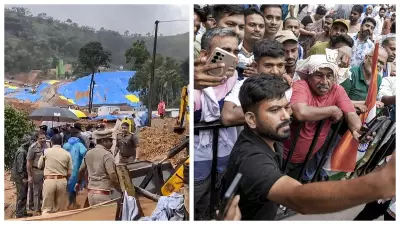
In a significant development for tribal rights in Karnataka, the Malekudiya community held its first major tribal gathering at Kuthlur, within the Kudremukh National Park (KNP) area. The historic meet passed a series of resolutions urging the state government to address long-standing issues, with a primary focus on securing separate political representation for the community in gram panchayats.
Core Demands: Political Voice and Cultural Protection
The assembly, organized by the Adivasi Hakkugala Samanvaya Samiti, made a strong case for the community's political autonomy. Participants resolved to formally request the government to create separate political representation for Malekudiyas in local village councils (gram panchayats). This move aims to ensure their unique concerns are directly heard in governance.
Beyond politics, the community passionately demanded measures to safeguard their indigenous traditions. The protection of rituals, minor cultures, and nature-worship practices like Pursa Puja and Sude Puja was declared essential. A key resolution stated that the government must consult the Adivasi Hakkugala Samanvaya Samiti before making any decisions impacting Malekudiya-inhabited zones or their way of life.

Asserting Forest Rights and Halting Harassment
A major focal point was the implementation of the Scheduled Tribes and Other Traditional Forest Dwellers (Recognition of Forest Rights) Act-2006. The community demanded its effective execution in Karnataka, granting both individual and community rights over forest produce collection to Malekudiya families.
The meet voiced strong opposition to the eviction of tribal families from forests under projects like tiger conservation schemes. It called for an immediate end to alleged harassment by officials from the revenue and forest departments. Furthermore, the gathering insisted that proper land records and title deeds be issued to those residing in forest areas, securing their habitat.
Infrastructure, Rehabilitation, and Development Halts
The resolutions presented a comprehensive list of demands for basic amenities and justice:
- Immediate electrification of all Malekudiya homes and development of roads and collapsed bridges in tribal regions.
- Release, rehabilitation, and livelihood support for Malekudiya activists who had surrendered to the government.
- Compensation for families of Malekudiyas killed in police firing incidents.
- A complete stop to mining, resorts, industries, development projects, biodiversity centres, and NGO-run study centres within the KNP area.
- Halting the practice of releasing animals and reptiles captured from urban or fringe forest areas into populated hill regions.
Education, Health, and Employment Guarantees
Looking toward the future, the community pushed for enhanced access to education and healthcare. Demands included quality education through improved residential schools, special reservations in higher education, and adequate healthcare facilities in Malekudiya areas. The meet also stressed the strict implementation of employment reservation policies in both government and private sectors.
Sukumara Didupe, the Belthangady taluk president of the samiti, briefed reporters on the resolutions. He highlighted that this was the first large-scale tribal meeting in the village after residents were freed from the influence of the Naxal movement, marking a new chapter in the community's peaceful advocacy for their rights.