Strong public anger has surfaced in the historic town of Malerkotla, Punjab, directed at Bihar Chief Minister Nitish Kumar. The controversy stems from an incident where Kumar was seen attempting to remove the niqab, or face veil, of a woman during a public event in Patna. This action has triggered widespread condemnation and organized demonstrations in the Sikh-majority town known for its communal harmony.
Details of the Patna Incident and Public Outrage
The spark for the protest was an event in Bihar's capital, Patna, on July 8. During a ceremony for the 'Jal Jeevan Hariyali' campaign, Chief Minister Nitish Kumar approached a woman who was wearing a niqab. Video footage from the event shows him touching her veil and asking her to remove it, suggesting she would not get water if she kept it on. This act was immediately criticized as disrespectful and an infringement on personal religious expression.
The news quickly reached Malerkotla, the only Muslim-majority town in Punjab and a symbol of peace. Local residents, community leaders, and political activists expressed deep hurt and anger. They viewed the Bihar Chief Minister's actions as an affront to the dignity of Muslim women and an attack on their religious freedom.

Organized Protest in Malerkotla
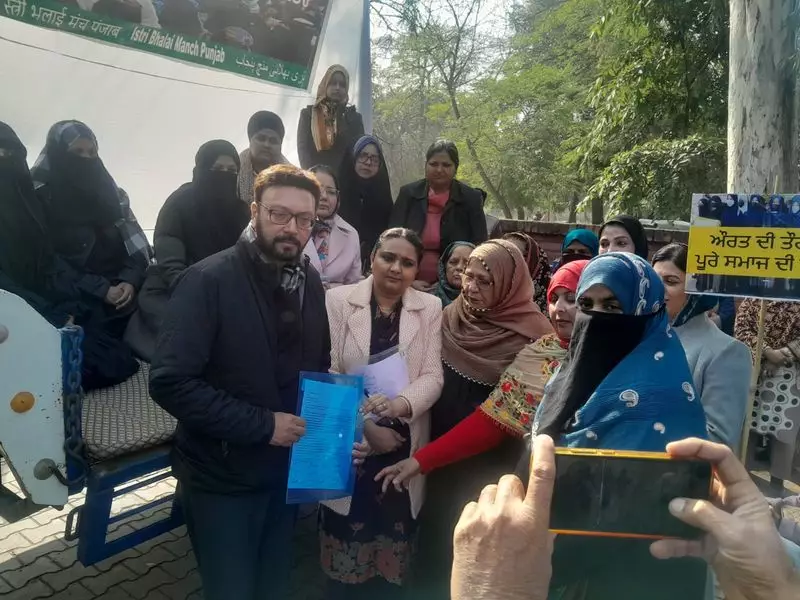
In response, a significant protest was organized in Malerkotla. Demonstrators gathered to voice their strong disapproval of Nitish Kumar's behavior. The protesters were not limited to any single group; they included members from various social and political organizations, united in their demand for accountability.
The key demands put forth by the protesting crowd were clear and direct. They called for an unconditional public apology from Nitish Kumar for his actions. Furthermore, they demanded that the Election Commission of India take strict action against him for violating the model code of conduct, as the incident occurred during an official government program.
The protest saw participants raising slogans and holding placards that condemned the act and defended the right of women to choose their attire according to their faith. The atmosphere was one of determined dissent, highlighting the community's commitment to protecting their religious and cultural identity.
Broader Implications and Community Sentiment
This incident has resonated far beyond a single town, touching a nerve in discussions about personal liberty and political conduct. Malerkotla, with its unique history of harmony, found itself at the center of a national debate on respect for religious practices. Community leaders emphasized that such actions by elected officials set a dangerous precedent and can erode the social fabric of the country.
The protest underscores a growing intolerance towards what is perceived as political overreach into personal religious matters. It serves as a reminder that issues of women's autonomy and religious freedom are highly sensitive and can mobilize public opinion rapidly. The demand for an apology is not merely symbolic; it is a call for upholding the dignity of every individual, regardless of their faith.
As of now, there has been no official response or apology from Nitish Kumar or his office regarding the incident or the subsequent protests in Punjab. The silence from the Bihar Chief Minister is likely to fuel further criticism and keep the issue alive in public discourse. The event has certainly added a new dimension to the political narrative, intertwining personal freedom with political accountability.