

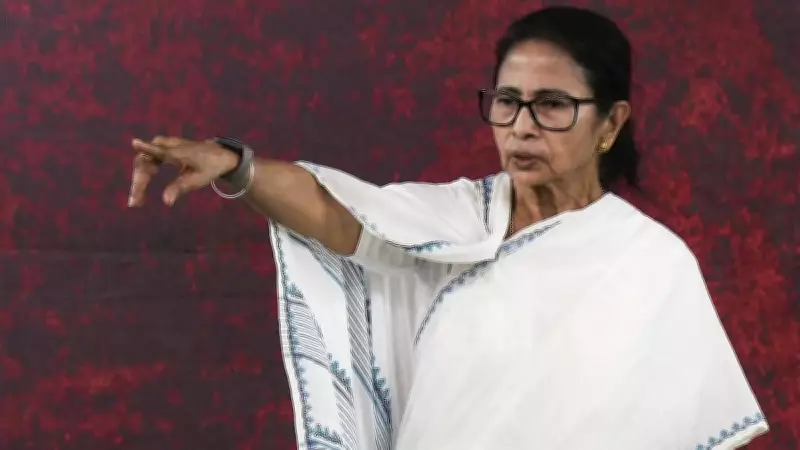
Mamata Banerjee Takes a Stand: Will Not Let BJP Undermine Voting Rights in West Bengal
In a strong declaration amidst rising political friction, West Bengal Chief Minister Mamata Banerjee has asserted that she will not permit the Bharatiya Janata Party (BJP) to compromise the voting rights of citizens in the state. She emphasized her commitment to fight relentlessly until the very end to safeguard democratic principles.
Escalating Political Row Over Electoral Roll Scrutiny
Banerjee's remarks were made against the backdrop of an intensifying dispute concerning the scrutiny of electoral rolls. This exercise, which involves verifying and updating voter lists, has become a focal point of contention between the ruling Trinamool Congress (TMC) and the opposition BJP. The Chief Minister accused the BJP of attempting to manipulate the process to gain an unfair advantage in the upcoming elections.
The timing of this conflict is critical, as it unfolds just ahead of the West Bengal Assembly Elections scheduled for 2026. Political analysts suggest that such disputes could significantly influence voter sentiment and campaign strategies in the months leading up to the polls.

Banerjee's Firm Commitment to Democratic Values
Mamata Banerjee, known for her vocal opposition to the BJP, reiterated her party's dedication to protecting the integrity of the electoral system. "We will not allow any force to snatch away the fundamental right to vote from the people of West Bengal," she stated, underscoring her resolve to challenge any perceived threats to democracy.
Her statement has resonated with supporters, who view it as a rallying cry to mobilize against what they describe as external interference in state affairs. The TMC has historically positioned itself as a defender of regional autonomy, and this latest pronouncement aligns with that narrative.
Broader Implications for Indian Politics
The ongoing tussle over electoral rolls in West Bengal highlights broader tensions in Indian politics, where allegations of voter list manipulation and electoral malpractices are not uncommon. Key aspects of this issue include:
- Increased Scrutiny: Both parties are closely monitoring the electoral roll process, leading to heightened political activism and public discourse.
- Legal Battles: There is potential for legal challenges if either side disputes the fairness of the scrutiny exercise, which could delay or complicate election preparations.
- Voter Awareness: The controversy may prompt greater voter education efforts to ensure citizens understand their rights and the importance of accurate voter registration.
As the situation develops, all eyes will be on West Bengal to see how this political standoff unfolds and what impact it may have on the democratic process in one of India's most politically vibrant states.






