

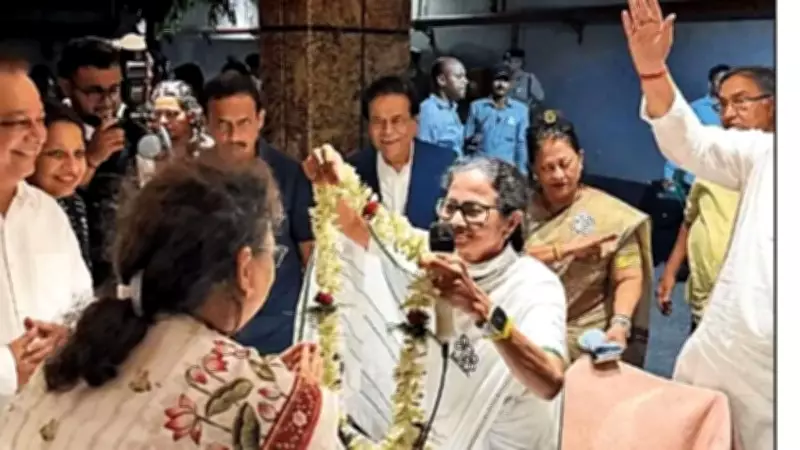
Mamata Banerjee's Personal Outreach in Kolkata's Elite Neighborhoods
In a significant political move, West Bengal Chief Minister Mamata Banerjee on Monday embarked on an extensive door-to-door campaign, personally visiting seven upscale residential complexes along Shakespeare Sarani and Lord Sinha Road in her constituency. This marked her first such grassroots outreach in these affluent neighborhoods in 15 years, as she directly engaged with residents to seek votes and listen to their pressing concerns.
Reconnecting with Constituents After Years
The last time Banerjee visited these complexes was in 2011, during the Assembly by-election shortly after her party came to power. Since then, while local councillors and party leaders maintained regular contact, the chief minister herself had not made personal appearances in these residential communities.
"It was genuinely heartening to witness her return to our complex and dedicate time to interact with us once again," expressed Rohit Goel, a resident of Ganga Jamuna apartment on Shakespeare Sarani. "Her presence created a palpable sense of connection that we haven't experienced in over a decade."

Detailed Engagement with Residents
The campaign commenced at Ganga Jamuna apartment, which served as the first stop following Banerjee's evening meeting near Shakespeare Sarani Police Station. Between 6:50 PM and 7:30 PM, she met approximately 200 residents from Ganga Jamuna, Nilambar Apartment, and Victoria Orbit at the complex's community hall.
Manoj Gupta of Nilambar Apartment on Shakespeare Sarani described the interaction: "She began by inquiring about our well-being, then eloquently spoke about her respect for all religions and communities. She emphasized that her own family reflects this diversity and that she celebrates all festivals with equal enthusiasm."
Banerjee specifically asked residents from different communities about any issues they might be facing and encouraged them to reach out to her directly, the local councillor, or the mayor whenever assistance was needed.
Expanding the Outreach Across Multiple Complexes
After spending approximately 40 minutes at the initial location, the Trinamool Congress chief continued her campaign by visiting four additional complexes: Dimple Court, Embassy, Shyam Kunj, and Ankur Apartment. She dedicated between 15 to 30 minutes at each location, engaging in meaningful conversations with residents before concluding her day's efforts.
Shift in Campaign Strategy
This personal approach represents a notable departure from previous campaign strategies. Historically, Trinamool Congress has relied on established teams, predominantly comprising women and familiar local faces, to visit complexes and conduct small meetings. On some occasions, Banerjee would address residents remotely through speakerphones via campaigners.
Residents confirmed they could not recall any previous instance where the chief minister personally visited complexes to seek votes as she did on Monday, highlighting the exceptional nature of this campaign initiative.
Political Context and Electoral Significance
The intensified personal outreach comes against the backdrop of the 2024 Lok Sabha election results, where Trinamool Congress secured a narrow lead of just over 8,000 votes in the Bhowanipore Assembly segment under Kolkata South constituency. The party trailed in several wards containing high-rise complexes, potentially motivating this renewed direct engagement strategy.
Residents' Response and Specific Concerns
Dilip Surana of Embassy Building on Lord Sinha Road shared his experience: "This marked the first time the chief minister visited our complex. We were genuinely surprised and delighted by her unexpected arrival, welcoming her traditionally with a shawl. She sat with us, shared tea, and attentively listened to our grievances."
Residents raised specific issues including encroachment on footpaths and illegal parking problems that have made driving and walking difficult in the area. Banerjee took detailed notes of these concerns and promised to address them, while also appealing for votes in the upcoming election and emphasizing the importance of maintaining communal harmony.

The door-to-door campaign represents a strategic effort to strengthen personal connections with voters in key urban constituencies, addressing both immediate local concerns and broader political messaging ahead of crucial electoral contests.





