Mamata Banerjee Issues Poila Boishakh Greetings and Political Warning
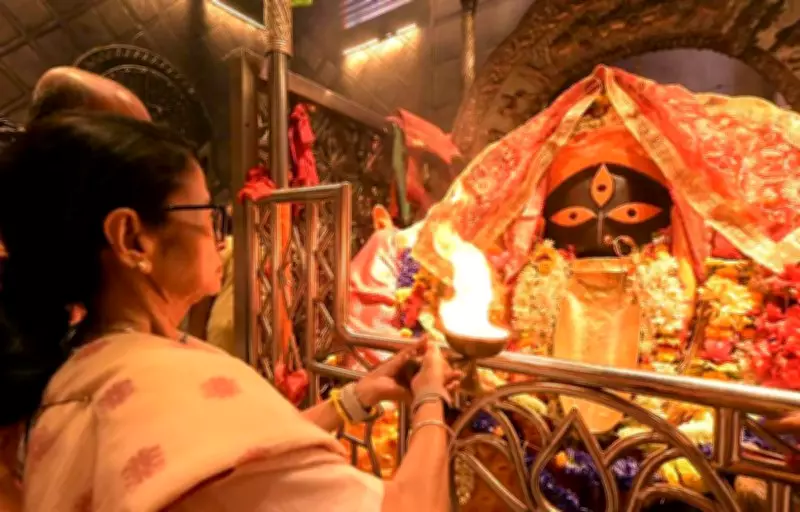
West Bengal Chief Minister Mamata Banerjee extended heartfelt greetings to the people of the state and beyond on the occasion of Poila Boishakh, the traditional Bengali New Year. In her message, she emphasized the cultural significance of the festival, which marks the beginning of the Bengali calendar and is celebrated with great fervor across Bengal and among Bengali communities worldwide.
A Call for Unity Amid Festive Celebrations
While conveying her warm wishes, Banerjee took the opportunity to issue a stern caution to voters. She warned against what she described as "malevolent forces" that are actively working to undermine the social fabric and democratic processes in the region. Without naming any specific entities, her remarks were widely interpreted as a political message aimed at opposing parties or groups perceived as threats to stability.
The Chief Minister urged citizens to remain vigilant and united in the face of these challenges. She stressed that festivals like Poila Boishakh should serve as reminders of Bengal's rich heritage and communal harmony, which must be protected from divisive elements. Her comments come at a time when West Bengal is often in the political spotlight due to its vibrant and sometimes contentious electoral landscape.

Political Context and Electoral Implications
Banerjee's dual message of celebration and caution is seen as a strategic move in the lead-up to potential electoral exercises. West Bengal has a history of intense political rivalries, and her warning likely resonates with her support base, which views her as a defender of regional interests against external influences. By linking the festive occasion with a call for political awareness, she aims to bolster her image as a leader who prioritizes both cultural pride and democratic integrity.
Observers note that such statements are common in Indian politics, where leaders often use public platforms to address broader societal issues. In this case, Banerjee's emphasis on "malevolent forces" may refer to concerns about misinformation, polarization, or interference in the electoral process, though she did not elaborate on specific threats.
Reactions and Broader Significance
The response to Banerjee's remarks has been mixed, with supporters applauding her for highlighting potential dangers to democracy, while critics argue it is a tactic to divert attention from governance issues. Regardless, the incident underscores the intersection of culture and politics in Bengal, where festivals often become arenas for political messaging.
Poila Boishakh itself is celebrated with traditional rituals, feasts, and cultural events, symbolizing renewal and hope. Banerjee's involvement in such occasions reinforces her connection to Bengali identity, which is a cornerstone of her political appeal. As the state continues to navigate complex political dynamics, her words serve as a reminder of the ongoing tensions between celebration and caution in public life.