

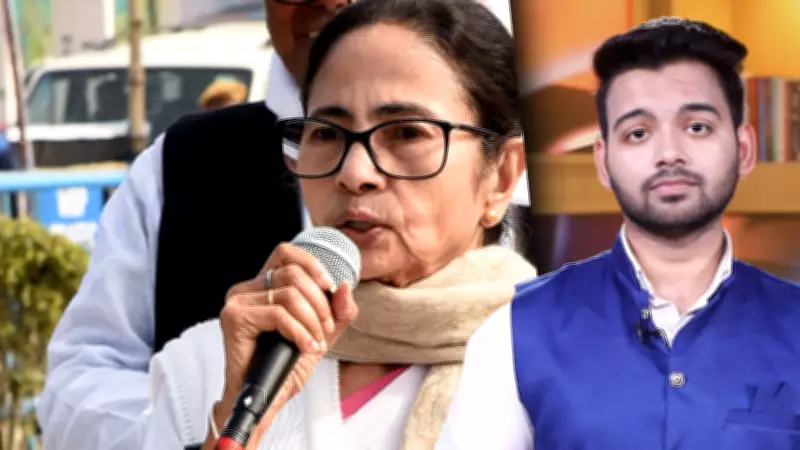
Mamata Banerjee Unveils Five New Community Boards in West Bengal
As West Bengal prepares for its crucial 294-member legislative assembly election, Chief Minister Mamata Banerjee has made a significant announcement that could reshape the political landscape. The Trinamool Congress leader has launched five new Cultural and Development Boards specifically targeting the Munda, Kora, Dom, Kumbhakar, and Sadgope communities. This strategic initiative comes at a pivotal moment in the state's electoral calendar.
Targeted Communities and Their Significance
The newly established boards are designed with a dual purpose: to safeguard the rich cultural heritage and languages of these communities while simultaneously addressing their socio-economic welfare needs. These groups represent a diverse mix of tribal populations, Dalit communities, and backward classes that have historically faced marginalization in various aspects of society.
The Munda community, primarily concentrated in western districts, has maintained distinct cultural traditions that these boards aim to preserve. Similarly, the Kora people have unique linguistic and cultural practices that require institutional support. The Dom community, traditionally associated with specific occupations, will receive focused attention for their development needs.

Kumbhakar artisans, known for their pottery skills across generations, will benefit from structured support for both their craft preservation and economic advancement. The Sadgope community, with its own social structure and traditions, completes this comprehensive approach to community-specific development.
Political Implications and Strategic Timing
Political analysts are viewing this announcement as a calculated strategic move by the ruling Trinamool Congress party. The timing coincides precisely with the intensifying election preparations across West Bengal, where every constituency matters in the battle for the 294 assembly seats.
"This represents a sophisticated political maneuver," explains one political observer. "By creating these dedicated boards, Mamata Banerjee is directly addressing the specific concerns of communities that have substantial voting presence in politically sensitive western districts."
These western regions have witnessed particularly intense competition between the Trinamool Congress and the Bharatiya Janata Party in recent elections. The BJP has made significant inroads in these areas, making community-specific outreach increasingly important for both major parties.
Broader Electoral Context and Community Impact
The establishment of these five boards extends beyond immediate political calculations. Each board will function as an institutional mechanism to:
- Document and preserve endangered languages and cultural practices
- Develop targeted welfare programs addressing education, healthcare, and economic opportunities
- Create platforms for community representation in policy discussions
- Facilitate skill development and employment generation within these communities
This initiative represents a shift toward more nuanced governance that recognizes the distinct identities and needs of various social groups within West Bengal's diverse population. Rather than employing a one-size-fits-all approach to development, these community-specific boards acknowledge that different groups require tailored solutions to their unique challenges.
The announcement has generated considerable discussion about whether similar approaches might emerge from other political parties as election campaigns intensify. With the Election Commission expected to announce poll dates shortly, such community-focused initiatives could become a defining feature of the upcoming electoral battle in West Bengal.
As the political temperature rises across the state, Mamata Banerjee's launch of these five community boards demonstrates how cultural preservation and socio-economic development have become intertwined with electoral strategy in contemporary Indian politics.






