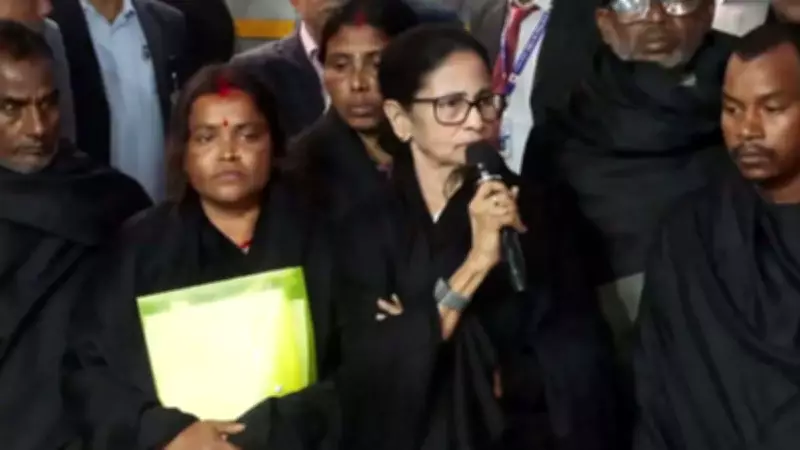
West Bengal Chief Minister Confronts Election Body Over Alleged Poll Violations
In a significant political development, West Bengal Chief Minister Mamata Banerjee held a crucial meeting with the Chief Election Commissioner (CEC) on Saturday to formally lodge complaints regarding purported irregularities in the state's electoral machinery. The high-level discussion, which took place amidst escalating tensions ahead of upcoming polls, focused on what the Trinamool Congress (TMC) leader described as "systematic attempts to undermine democratic processes" in Bengal.
Key Allegations Raised During the Meeting
During the closed-door session, CM Banerjee presented a detailed dossier outlining several specific grievances. These included:
- Allegations of voter list manipulation in certain constituencies, with reports of genuine voters being omitted or duplicate entries being created.
- Concerns over the deployment of central forces, with claims that their positioning was biased and intended to intimidate supporters of the ruling party.
- Complaints about electronic voting machine (EVM) malfunctions and delays in addressing technical glitches during recent by-elections.
- Accusations of partisan behavior by some election officials, allegedly favoring opposition parties in poll-related decisions.
The Chief Minister emphasized that these issues, if left unaddressed, could severely compromise the "free and fair nature" of elections in West Bengal, a state with a history of politically charged electoral battles.

Demands for Immediate Corrective Measures
Mamata Banerjee reportedly urged the Election Commission to take swift and decisive action to restore public confidence in the electoral system. Her key demands included:
- An immediate audit of voter lists in disputed areas to verify authenticity and remove discrepancies.
- Transparent guidelines for the deployment of security forces to ensure neutrality and prevent voter suppression.
- Enhanced technical oversight of EVMs with greater involvement of local representatives during testing and polling.
- Strict disciplinary measures against any election officials found violating the model code of conduct or displaying bias.
The meeting, which lasted for over an hour, was described as "intense but constructive" by sources close to the Chief Minister. Banerjee reiterated her commitment to democratic principles while warning that failure to act on these complaints could lead to widespread public discontent and legal challenges.
Political Context and Implications
This confrontation comes at a critical juncture for West Bengal politics, where the ruling TMC is preparing for significant electoral tests. The state has witnessed frequent clashes between the TMC and opposition parties, particularly the BJP, over electoral integrity issues. Banerjee's direct engagement with the CEC underscores the escalating political stakes and her strategy to position herself as a defender of regional autonomy against perceived central interference.
Political analysts suggest that by taking these grievances to the highest election authority, the Chief Minister aims to:
- Consolidate her populist image as a leader fighting for Bengal's interests at the national level.
- Put institutional pressure on the Election Commission to address long-standing complaints about its operations in the state.
- Create a narrative of victimhood that could galvanize her support base ahead of crucial polls.
The Election Commission has yet to issue an official statement regarding the meeting, but sources indicate that the CEC assured Banerjee of a "thorough examination" of her complaints. The outcome of this engagement could have far-reaching consequences for electoral governance not just in West Bengal, but across India's federal democratic structure.