

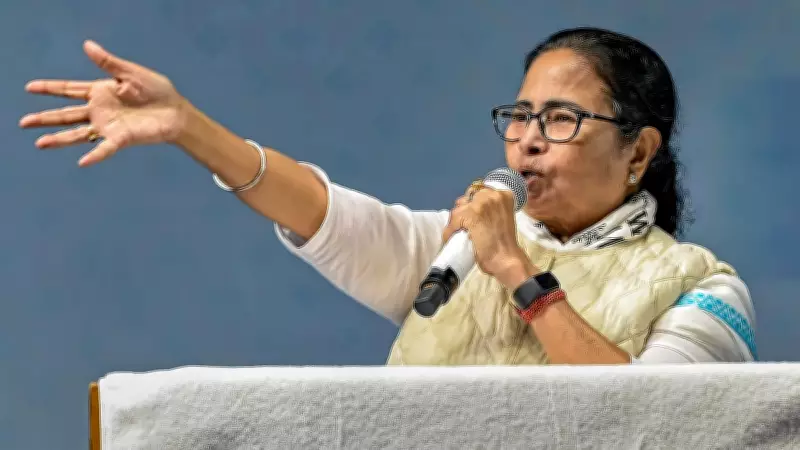
Mamata Banerjee Offers Land for Border Security, Conditions It on BSF Rule Revision
West Bengal Chief Minister Mamata Banerjee has made a significant statement regarding border security infrastructure, declaring that land for border fencing will not be a problem for the state government. However, she has attached a crucial condition to this offer, demanding that the central government first roll back its recent expansion of Border Security Force (BSF) jurisdiction.
Land Availability with a Political Condition
During discussions on the governor's address in the state assembly, Banerjee clearly stated, "Land will not be a problem. You will get land." This assurance addresses one of the practical challenges often faced in implementing border security measures. The availability of land is essential for constructing physical barriers and surveillance infrastructure along India's borders.
However, the Chief Minister immediately followed this assurance with a firm demand: "But, first change the arbitrary rule of increasing BSF's jurisdiction (area) from 15 km to 50 km." This statement highlights the ongoing tension between the state government and the central administration over security jurisdiction matters.

The BSF Jurisdiction Controversy
The central government's decision to expand BSF's operational jurisdiction from 15 kilometers to 50 kilometers from the international border has been a point of contention with several border states, including West Bengal. This expansion, implemented through a notification, significantly increases the area where BSF personnel can exercise their powers of search, seizure, and arrest.
State governments have argued that this move encroaches upon their constitutional authority over law and order within their territories. The expanded jurisdiction brings many more towns and villages under BSF's operational purview, creating potential overlaps with state police forces and raising questions about coordination and jurisdiction.
Political Implications and Federal Dynamics
Banerjee's statement represents more than just a policy position—it reflects broader concerns about federal relations and the balance of power between the Centre and states. By linking land availability for border fencing to the reversal of BSF jurisdiction expansion, the West Bengal Chief Minister has created a strategic bargaining position.
This approach allows her to demonstrate cooperation on national security matters while simultaneously challenging what she perceives as central overreach. The timing of this statement during discussions on the governor's address adds parliamentary weight to her position, making it part of the official legislative record.
Border Security Infrastructure Needs
Border fencing remains a critical component of India's border management strategy, particularly along vulnerable sections. Effective fencing requires not just financial resources but also physical land for construction and maintenance. State cooperation in land acquisition is therefore essential for implementing comprehensive border security measures.
Banerjee's assurance that "land will not be a problem" removes one significant obstacle to enhancing border infrastructure. However, her conditional approach creates a new political hurdle that must be addressed before any progress can be made on the ground.
Looking Forward: Negotiation and Resolution
The ball is now in the central government's court regarding how to respond to this conditional offer. Several potential outcomes could emerge from this situation:
- The Centre might reconsider the BSF jurisdiction expansion in border states
- Both parties could negotiate a compromise solution
- The issue could remain unresolved, delaying border infrastructure projects
- Other border states might adopt similar positions
This development highlights the complex interplay between security requirements, federal principles, and political considerations in India's border management approach. As discussions continue, the resolution of this matter will have implications not just for West Bengal but for Centre-state relations across India's border regions.






