Around 35 days ago, Mamata Banerjee walked 14 kilometers through the streets of Kolkata during her final election campaign for the Bhabanipur constituency. Security personnel struggled to manage the massive crowd of ministers, legislators, MPs, candidates, and film industry figures all vying for proximity to her. That vibrant energy felt familiar, reminiscent of the street fighter who built the Trinamool Congress from a fragile splinter of the Congress party into a formidable force that ended three decades of Left Front rule in 2011.
The Current Crisis
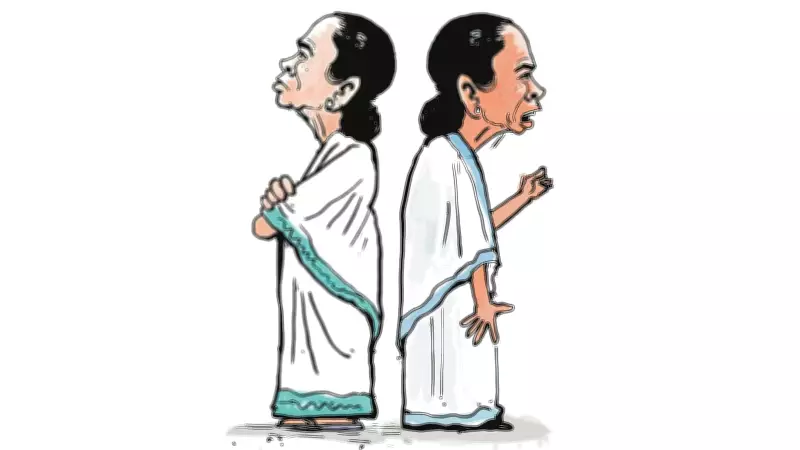
Today, however, Mamata Banerjee finds herself facing a crisis that is largely of her own making. The party that once stood united against a common adversary is now plagued by internal dissent, factionalism, and a growing disconnect between the leadership and the grassroots workers. The very energy that characterized her rise to power seems to have dissipated, replaced by a sense of uncertainty and drift.
Internal Party Dynamics
Several factors contribute to this predicament. First, the consolidation of power in the hands of a few trusted aides has alienated many senior leaders who were instrumental in the party's early successes. Second, the lack of a clear succession plan has led to jockeying for position among potential heirs, creating instability. Third, the party's organizational structure has become increasingly centralized, leaving little room for local initiative or feedback.

Moreover, the opposition, once fragmented, has begun to regroup. The BJP, despite its electoral setbacks in the state, continues to pose a challenge by exploiting internal divisions within the Trinamool Congress. The Left and Congress, though weakened, have also shown signs of revival in certain pockets.
Leadership Style Under Scrutiny
Mamata Banerjee's leadership style, which once inspired loyalty and fearlessness, is now being questioned. Her tendency to micromanage and her reluctance to delegate authority have created bottlenecks in decision-making. The party's communication strategy has also been criticized for being reactive rather than proactive, often allowing the opposition to set the narrative.
Way Forward
To overcome this crisis, Mamata Banerjee may need to recalibrate her approach. Empowering regional leaders, fostering internal democracy, and addressing the aspirations of the younger generation within the party could help restore confidence. Additionally, a renewed focus on governance and development issues might help reconnect with the electorate beyond the charisma of a single leader.
The road ahead is challenging, but not insurmountable. The Trinamool Congress has weathered storms before, and its founder has demonstrated remarkable resilience. Whether she can adapt to the changing political landscape will determine not just her political future but also the trajectory of West Bengal's politics.