Mamata Banerjee's Sit-In Protest Over Voter Roll Deletions Enters Second Day
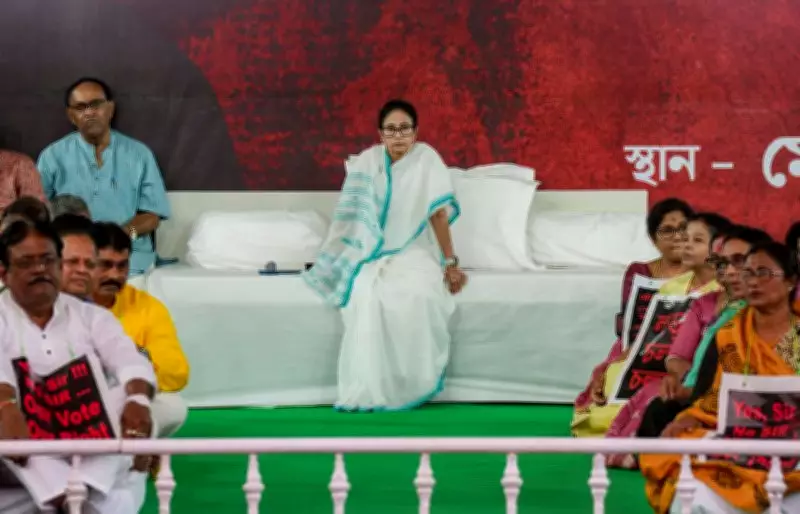
West Bengal Chief Minister Mamata Banerjee has extended her sit-in protest into a second consecutive day, intensifying her demand for immediate action regarding alleged voter roll deletions in the state. The demonstration, which began on the first day, continues to draw attention to what she describes as a systematic effort to disenfranchise voters, raising significant concerns ahead of upcoming elections.
Background of the Protest
The protest was initiated by Mamata Banerjee in response to reports of widespread deletions from the electoral rolls in West Bengal. According to her statements, these deletions have disproportionately affected certain communities and regions, potentially altering the democratic landscape. The Chief Minister has accused the Election Commission of India of failing to address these issues adequately, leading to her decision to stage a public sit-in.
On the first day of the protest, Banerjee was joined by supporters and party members, who voiced their solidarity with her cause. The demonstration has been marked by speeches and public addresses, where she emphasized the importance of protecting voting rights and ensuring fair electoral processes. The continuation of the sit-in into a second day underscores her determination to push for transparency and corrective measures.
Political Implications and Reactions
The ongoing protest has sparked a wave of political reactions across the spectrum. Supporters of Mamata Banerjee and her party, the Trinamool Congress, have rallied behind her, viewing the sit-in as a necessary step to safeguard democracy. In contrast, opposition parties have criticized the move, labeling it as a political stunt aimed at garnering sympathy ahead of elections.
Key points of contention include:
- The scale and impact of the alleged voter roll deletions.
- The role of the Election Commission in overseeing electoral integrity.
- The timing of the protest in relation to the electoral calendar.
Analysts suggest that this protest could heighten political tensions in West Bengal, a state known for its vibrant and often contentious political environment. The sit-in has also drawn national attention, with media outlets covering the developments closely and highlighting the broader implications for India's democratic framework.
Demands and Future Outlook
Mamata Banerjee has outlined specific demands during her protest, including:
- A thorough review and restoration of deleted voter names.
- Increased transparency in the voter roll maintenance process.
- Accountability from election officials for any discrepancies.
As the sit-in enters its second day, there is growing speculation about how long the protest will continue and what steps might be taken to resolve the issue. The Chief Minister has indicated that she will persist until her demands are met, signaling a potential prolonged standoff with electoral authorities.
This development comes at a critical juncture for West Bengal, with elections looming on the horizon. The outcome of this protest could influence voter sentiment and shape the political narrative in the coming months. Observers are closely monitoring the situation for any signs of resolution or escalation, as it holds significant stakes for both state and national politics.