Mayawati Condemns Samajwadi Party for Renaming Jyotiba Phule Nagar District
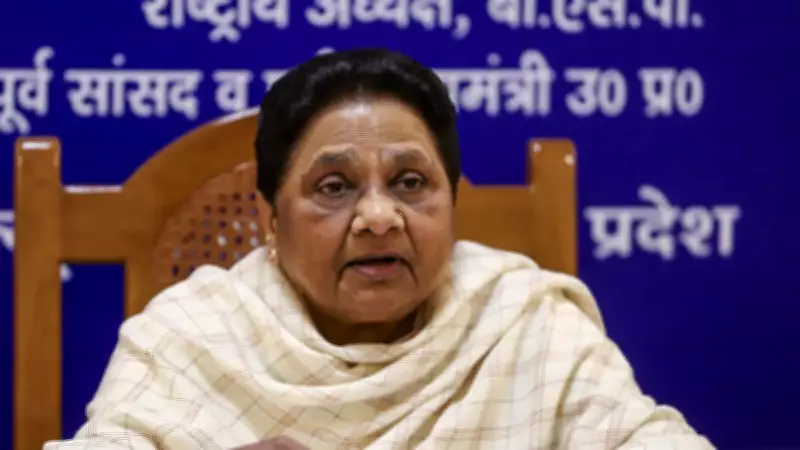
Bahujan Samaj Party (BSP) chief Mayawati has launched a sharp critique against the previous Samajwadi Party (SP) government in Uttar Pradesh for altering the name of Jyotiba Phule Nagar district. In a recent statement, she accused the SP of disrespecting the legacy of the revered social reformer Jyotiba Phule, whose contributions to education and social justice are widely celebrated in India.
Historical Context and Political Implications
The district, originally named after Jyotiba Phule, a 19th-century icon known for his efforts in promoting women's education and fighting caste discrimination, was reportedly changed during the SP's tenure. Mayawati emphasized that this move undermines Phule's enduring impact on Indian society, particularly in uplifting marginalized communities. She argued that such actions reflect a lack of commitment to social justice principles, which are core to Phule's teachings.
Mayawati stated, "The renaming of Jyotiba Phule Nagar is not just a administrative change but a direct insult to the ideals he stood for. It shows how some political parties prioritize their agendas over honoring our great reformers." This criticism comes amid ongoing political tensions in Uttar Pradesh, where issues of identity and heritage often play a significant role in electoral dynamics.

Broader Political Reactions and Future Outlook
The BSP leader's remarks have sparked discussions among political analysts and the public, with many viewing this as part of a larger narrative around how historical figures are memorialized in India. Mayawati, known for her advocacy of Dalit and backward class rights, has frequently highlighted Phule's work as a source of inspiration for her party's policies. By condemning the SP, she aims to reinforce her stance as a protector of social reformer legacies.
Observers note that this issue could influence voter sentiment in upcoming elections, especially in regions where Phule's name holds cultural significance. The Samajwadi Party has yet to issue a formal response, but past instances suggest they may defend the renaming as part of broader administrative reforms. Regardless, Mayawati's vocal opposition underscores the ongoing political rivalry in Uttar Pradesh, where such controversies often shape public discourse.
In conclusion, Mayawati's criticism of the Samajwadi Party for changing Jyotiba Phule Nagar's name highlights the intersection of politics and historical memory in India. As debates over renaming places continue, this incident serves as a reminder of the deep-seated values attached to social reformers' names and their relevance in contemporary governance.