

Karnataka Submits Land Submergence Details for Mekedatu Reservoir to Central Government
In a significant development regarding the Mekedatu balancing reservoir project, the Karnataka state government has formally communicated to the Centre that a total of 5,173 hectares of land is slated to be submerged for the construction of this major infrastructure initiative. This detailed submission underscores the project's substantial environmental and geographical footprint, highlighting the scale of land acquisition and displacement considerations involved.
Strategic Location of the Proposed Reservoir
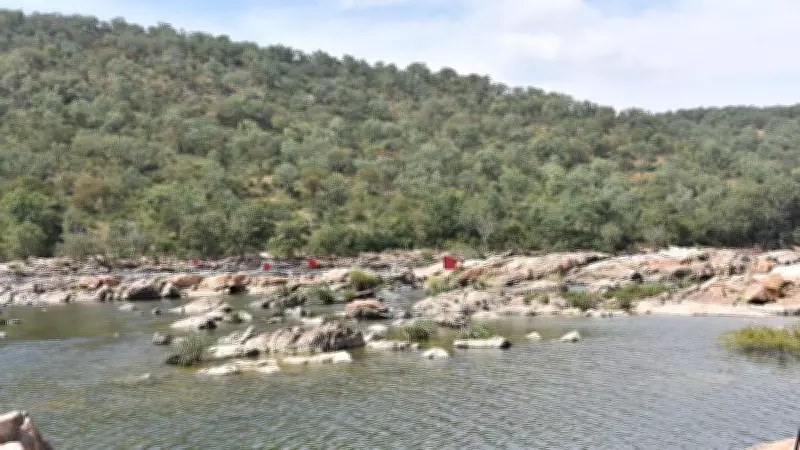
The state authorities have specified that the proposed reservoir will be strategically positioned approximately 2 kilometers downstream from the confluence of the Cauvery and Arkavathi rivers. This location is chosen to optimize water storage and management capabilities, leveraging the natural flow dynamics of these key river systems. The proximity to the confluence point is expected to enhance the reservoir's efficiency in regulating water resources for irrigation, drinking water supply, and hydroelectric power generation.
Officials emphasized that this site selection is based on extensive hydrological studies and aims to mitigate water scarcity issues in the region while supporting agricultural and urban needs. The project, once completed, is projected to significantly bolster Karnataka's water security framework, particularly in drought-prone areas dependent on the Cauvery basin.

Implications and Next Steps
The disclosure of the land submergence area marks a critical phase in the project's planning and approval process. Key implications include:
- Environmental Assessments: The submergence of over 5,000 hectares will necessitate comprehensive environmental impact studies to evaluate effects on local ecosystems, wildlife habitats, and biodiversity.
- Rehabilitation Plans: Authorities are expected to develop detailed rehabilitation and resettlement packages for affected communities, ensuring fair compensation and livelihood restoration.
- Inter-State Considerations: Given the Cauvery river's shared nature with Tamil Nadu, the project may involve consultations and negotiations to address water-sharing concerns and legal frameworks.
As the central government reviews this submission, stakeholders are closely monitoring the progress, with expectations for further discussions on funding, timelines, and regulatory clearances. The Mekedatu project remains a pivotal element in Karnataka's long-term water management strategy, aiming to balance developmental needs with sustainable resource utilization.






