Growing Unrest Between Migrants and Natives in Punjab Poses Economic and Farm Sector Risks
In the heart of Punjab, a state known for its agricultural prowess and vibrant culture, a simmering tension between migrants and native residents is emerging as a significant concern. Experts are raising alarms that this growing unrest is not healthy for the state's economy and farm sector, potentially undermining long-term stability and growth.
Economic Implications of Rising Tensions
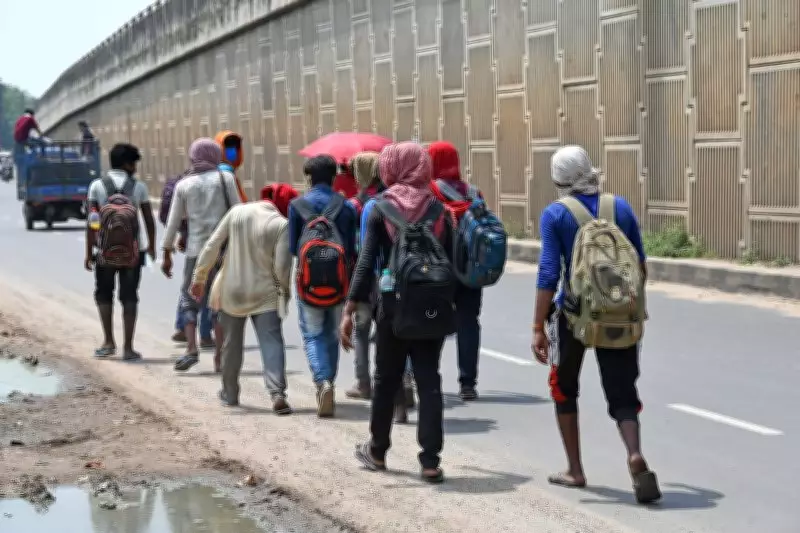
The economy of Punjab, heavily reliant on agriculture and related industries, faces potential disruptions due to the friction between migrant workers and local communities. Migrants, often from other Indian states, play a crucial role in the labor force, particularly in farming, construction, and small-scale industries. However, recent incidents of conflict and social discord have highlighted vulnerabilities that could lead to labor shortages and decreased productivity.
Experts point out that such unrest can deter investment and slow down economic activities, as businesses may hesitate to operate in an environment marked by social instability. The state's GDP, which benefits from a diverse workforce, could see negative impacts if these tensions escalate, affecting sectors beyond agriculture, such as manufacturing and services.

Farm Sector Vulnerabilities
Punjab's farm sector, a cornerstone of its economy, is especially at risk. Migrant laborers are essential for seasonal agricultural work, including harvesting and planting, but growing animosity threatens this labor supply. If migrants feel unsafe or unwelcome, they might seek employment elsewhere, leading to a shortage of hands during critical farming periods.
This could result in delayed crop cycles, reduced yields, and increased costs for farmers, who may struggle to find reliable labor. Over time, such disruptions could weaken Punjab's position as a leading agricultural producer in India, impacting food security and rural livelihoods. Experts emphasize the need for inclusive policies to ensure that both migrants and natives can coexist harmoniously, supporting the farm sector's sustainability.
Call for Urgent Measures
To address this issue, experts recommend a multi-faceted approach. Community engagement programs that foster dialogue and understanding between migrants and natives are seen as vital. Additionally, government interventions aimed at improving living conditions, providing legal protections, and ensuring fair wages for migrant workers could help alleviate tensions.
Economic incentives and skill development initiatives might also encourage integration and reduce competition for resources. By promoting social cohesion, Punjab can safeguard its economic interests and maintain a robust farm sector, essential for the state's overall development.
Conclusion
The growing unrest between migrants and natives in Punjab is a pressing issue that demands immediate attention. As experts warn, failing to address these tensions could have far-reaching consequences for the state's economy and agricultural productivity. Proactive steps towards inclusivity and conflict resolution are crucial to ensure a healthy and prosperous future for all residents of Punjab.