The scrutiny of nomination papers for the upcoming civic elections in Mohali district has resulted in the validation of 1,061 out of 1,175 nominations filed. The comprehensive verification process, conducted by the returning officers, led to the rejection of 114 nominations due to various discrepancies and non-compliance with the prescribed guidelines.
Details of the Scrutiny Process
The scrutiny, which took place on Tuesday, involved a meticulous examination of each nomination form to ensure adherence to the electoral norms. Officials stated that the rejected nominations were found to be deficient in necessary documents, such as affidavits, caste certificates, or had incomplete details. Some candidates also failed to meet the eligibility criteria set by the State Election Commission.
The highest number of nominations were filed for the municipal corporation wards, followed by the nagar panchayats and municipal councils. The district administration has confirmed that the process was conducted transparently, with representatives of all major political parties present during the scrutiny.

Next Steps in the Electoral Process
Following the scrutiny, the final list of valid candidates will be published after the withdrawal of nominations, which is scheduled for December 28. Candidates who wish to withdraw their candidature can do so by the specified deadline. The election symbol allotment will take place thereafter, marking the final stage before the polling day.
The district election office has urged all candidates to adhere to the model code of conduct, which came into effect with the announcement of the election schedule. Strict action will be taken against any violations, including the use of hate speech or distribution of cash and gifts to influence voters.
Political Reactions and Preparations
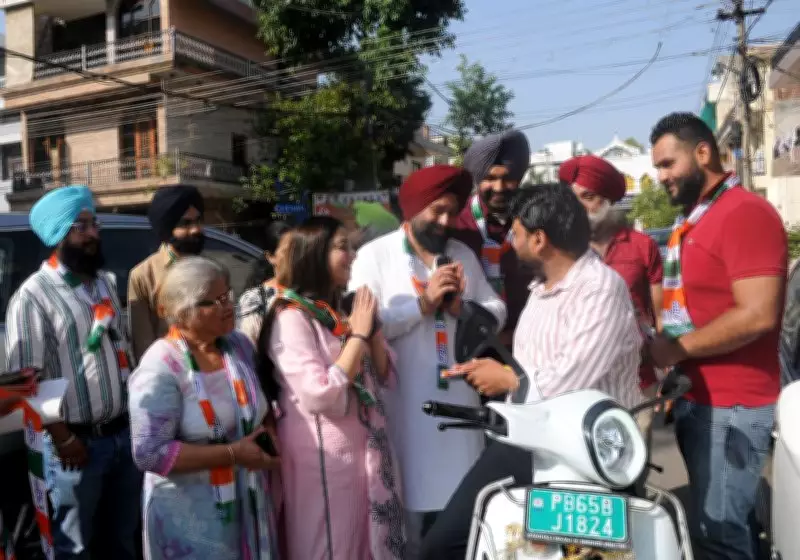
Political parties have ramped up their campaigns, with major contenders including the Aam Aadmi Party, Shiromani Akali Dal, Congress, and Bharatiya Janata Party. The AAP, which currently governs the state, is aiming to secure a strong foothold in the civic bodies, while the opposition parties are highlighting local issues such as sanitation, water supply, and infrastructure development.
The district administration has made extensive arrangements for the smooth conduct of the polls, including the deployment of adequate security personnel and the establishment of polling stations equipped with essential facilities. Voter awareness campaigns are also being conducted to encourage higher turnout.
The civic elections are seen as a crucial test for the ruling party and a barometer of public sentiment ahead of the next assembly elections. With the scrutiny phase complete, all eyes are now on the final list of candidates and the subsequent campaigning.