In the heart of Bihar's politically charged landscape, a seemingly ordinary village crossing in Mokama became the stage for a dramatic encounter that laid bare the intricate web connecting crime, politics, and local strongmen. The recent meeting between controversial figures has sent shockwaves through political circles, revealing how power operates in the shadows of India's complex democratic machinery.
The Mokama Conclave: More Than a Chance Meeting
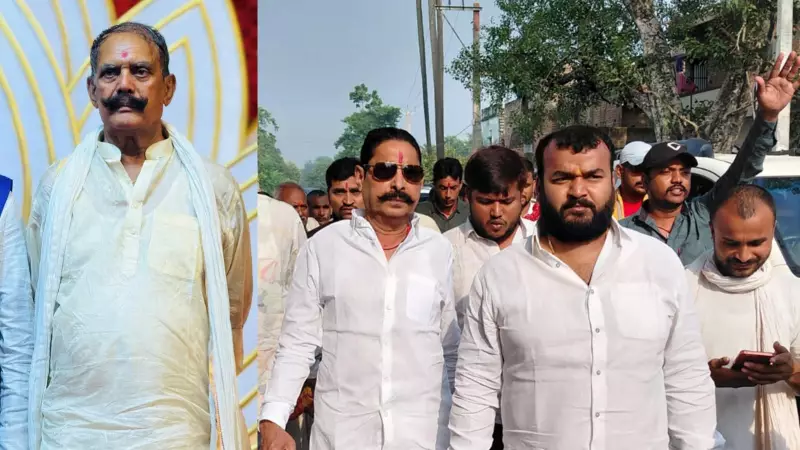
The gathering at this nondescript village crossing was anything but coincidental. At the center of this political drama stood Anant Singh, the independent MLA from Mokama whose reputation precedes him, and Neeraj Singh, the BJP candidate who recently suffered a surprising defeat. Their coming together at this strategic location speaks volumes about the realpolitik that defines Bihar's electoral battles.
The Players and Their Power Games
What makes this encounter particularly significant is the timing and the personalities involved. Anant Singh, often described as a 'bahubali' or strongman in local political parlance, has cultivated an image that blends political ambition with a controversial past. His presence alongside a BJP candidate, despite running as an independent, highlights the fluid alliances that characterize Bihar's political landscape.

The meeting occurred against the backdrop of recent electoral setbacks for the BJP in the region, making this convergence even more noteworthy. Political analysts see this as a strategic move to consolidate influence and send a message to both allies and opponents about shifting loyalties and potential realignments.
The Historical Context of Strongman Politics
Mokama has long been a crucible where crime and politics have intermingled, creating a unique ecosystem where 'bahubalis' wield significant influence. These local strongmen often command voter loyalty through a combination of fear, patronage, and community connections, making them invaluable assets for political parties during elections.
The Changing Face of Political Power
What unfolded at that village crossing represents more than just a meeting between two politicians. It symbolizes the ongoing transformation in how power is negotiated and exercised in rural Bihar. The visible presence of such figures in mainstream politics, while controversial, reflects the ground realities that national parties must navigate to secure electoral victories.
The incident also raises important questions about the criminalization of politics and the acceptance of controversial figures within democratic processes. As parties balance electoral pragmatism with ethical considerations, encounters like these become telling indicators of which way the scales are tipping.
Broader Implications for Bihar Politics
This Mokama meeting comes at a crucial juncture in Bihar's political calendar, with various parties positioning themselves for upcoming electoral battles. The ability to secure the support of influential local figures often determines the difference between victory and defeat in closely contested constituencies.
Political observers note that such alliances, while potentially beneficial in the short term, pose long-term challenges for democratic institutions and the rule of law. The normalization of crime-politics nexus, they argue, undermines the very foundations of democratic governance and sets dangerous precedents for future political engagements.
As Bihar continues to navigate its complex political terrain, incidents like the Mokama crossing encounter serve as stark reminders of the challenges facing Indian democracy at the grassroots level. The coming months will reveal whether such alliances translate into electoral success or become cautionary tales in the ongoing story of Bihar's political evolution.