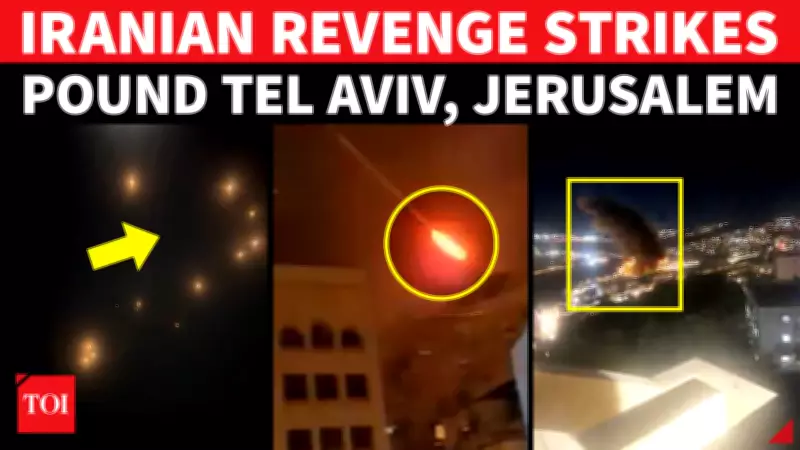
Iran Unleashes Missile Barrage on Israeli Cities in Retaliatory Strike
In a dramatic escalation of regional conflict, Iran has launched a significant missile attack targeting key Israeli cities, including Jerusalem and Tel Aviv. This aggressive military action comes as direct retaliation for the recent killing of Iran's Supreme Leader, Ayatollah Ali Khamenei, by combined United States and Israeli military operations.
Major Damage Reported in Israeli Capital and Commercial Hub
Israeli authorities confirmed that ballistic missiles struck Jerusalem, resulting in at least six injuries among the civilian population. The attack on the capital city represents a serious breach of Israel's defensive perimeters and has raised alarms about the effectiveness of existing air defense systems.
Simultaneously, Tel Aviv, Israel's bustling commercial and cultural center, suffered substantial structural damage as multiple Iranian missiles found their targets. Early reports indicate that critical infrastructure and residential buildings have been compromised, though comprehensive damage assessments are still underway.

Background: U.S.-Israeli Strikes Trigger Iranian Response
This Iranian offensive follows extensive military campaigns by American and Israeli forces against Iranian territory. In coordinated strikes, U.S. and Israeli military units targeted ballistic missile sites across Iran and neutralized several Iranian warships. These actions were part of an intensifying military campaign that culminated in the elimination of Supreme Leader Khamenei, a figure who had dominated Iranian politics and foreign policy for decades.
The killing of Khamenei has ignited fierce nationalist sentiments within Iran, with military commanders vowing severe retaliation against what they describe as "foreign aggression." The Islamic Revolutionary Guard Corps (IRGC) has been particularly vocal about delivering what they term "decisive and regret-inducing punishment" to both Israel and the United States.
Regional Implications and Escalating Tensions
This exchange of hostilities marks one of the most dangerous escalations in Middle Eastern conflicts in recent years. The direct targeting of capital cities represents a significant departure from previous proxy warfare tactics that have characterized Iran-Israel tensions. Military analysts are closely monitoring whether this could trigger broader regional conflict involving other Middle Eastern nations.
The situation remains fluid, with both sides reportedly preparing for potential further exchanges. Israeli defense systems, including the Iron Dome and other missile defense networks, are being tested against the sophistication of Iranian ballistic missile technology, which has seen substantial advancement in recent years.
International observers are expressing grave concern about the potential for this conflict to spiral into a wider regional war, with possible implications for global energy markets and international security. Diplomatic channels are reportedly working overtime to de-escalate tensions, though neither side has shown immediate willingness to stand down from their military postures.