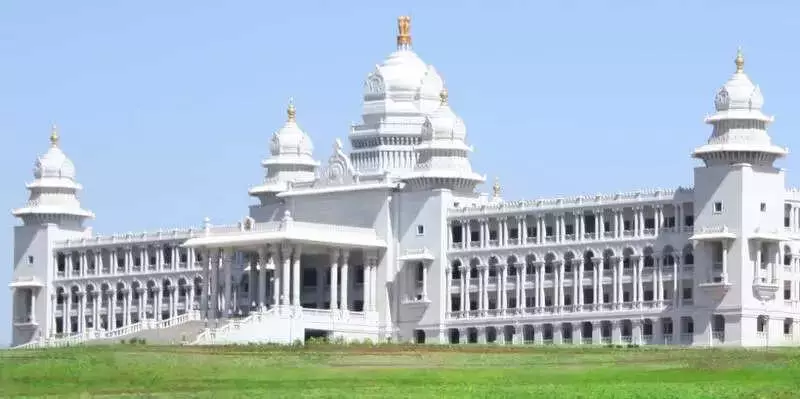
A significant demonstration unfolded near the Suvarna Vidhana Soudha in Belagavi on Tuesday, as representatives from sixteen distinct organisations gathered to voice a wide array of grievances. The groups submitted detailed memorandums to the state government, pressing for resolutions to long-standing issues affecting their respective communities.
Ministers Assure Action on Diverse Demands
Representing the government, several ministers visited the protest site to engage with the demonstrators. They formally accepted the memorandums and provided assurances. The ministers promised to bring the matters to the immediate attention of Chief Minister Siddaramaiah and other concerned ministers, signalling a potential pathway for dialogue and resolution.
Key Demands from Protesting Organisations
The protests highlighted a broad spectrum of societal and professional concerns. The Karnataka State Registration and Stamps Department (Dasta) Deed Writers' Union put forth several technical demands. They called for deed writers to be granted a separate login portal within the registration system. They also insisted that the signature of a deed writer or lawyer be made compulsory for all documents presented for registration. Furthermore, they demanded the issuance of a uniform identity card for all practicing deed writers.

Another prominent group, The All Karnataka Leather Workers Mahasabha, protested to advocate for the leather workers and tanners community. Their primary demand was the establishment of a dedicated development corporation aimed at fostering growth and addressing the specific needs of their sector.
Educational concerns were also at the forefront. The Teachers' Association of Government Pre-University Colleges demonstrated, demanding the regular and timely payment of salaries to lecturers. They also urged the government to consider teaching experience as a critical factor, alongside merit, during appointment processes.
Welfare for the elderly was a major theme, championed by The Karnataka State Senior Citizens and Retired Employees Welfare Development Association. They pressed for the creation of a separate government department exclusively focused on the affairs and welfare of senior citizens.
Other Groups and Their Grievances
The protest was a confluence of various other causes. The Hyderabad Karnataka Residential Educational Institutions Association's Guest Teachers and Lecturers Association sought job security for Christian guest teachers and lecturers working within their system.
Local infrastructure was the focus for the Khanapur taluk unit of the Karnataka Rakshana Vedike and the Taluk Formation Committee. They demanded that the government provide reliable transport bus facilities to every village within Khanapur taluk to improve connectivity.
The demonstration also saw participation from several other bodies, including:
- The Home Guards' Parents' Rights Protection Committee
- The Karnataka Rajya Chalavadi Mahasabha
- The Akhil Karnataka Bhovi Samaj Vishvamsa
- The Karnataka State Gram Panchayat level Chief Book Writers and Local Community Resource Persons
- The Kittur Karnataka Sena
Among their collective demands was a significant constitutional appeal: the application of Article 371(J), which provides special provisions for the Hyderabad-Karnataka region, to be extended across the entire North Karnataka region for more equitable development.
A Convergence of Civic Engagement
The event at Belagavi's state legislature building underscores the active role of civil society and professional unions in Karnataka's democratic process. By presenting their demands directly at the seat of power during what is likely a legislative session period, these groups have ensured their voices are heard at the highest level. The government's response, through the ministers present, indicates a formal recognition of these issues. The coming weeks will reveal whether these promises translate into concrete policy actions or further discussions to address the multifaceted demands presented by the sixteen organisations.