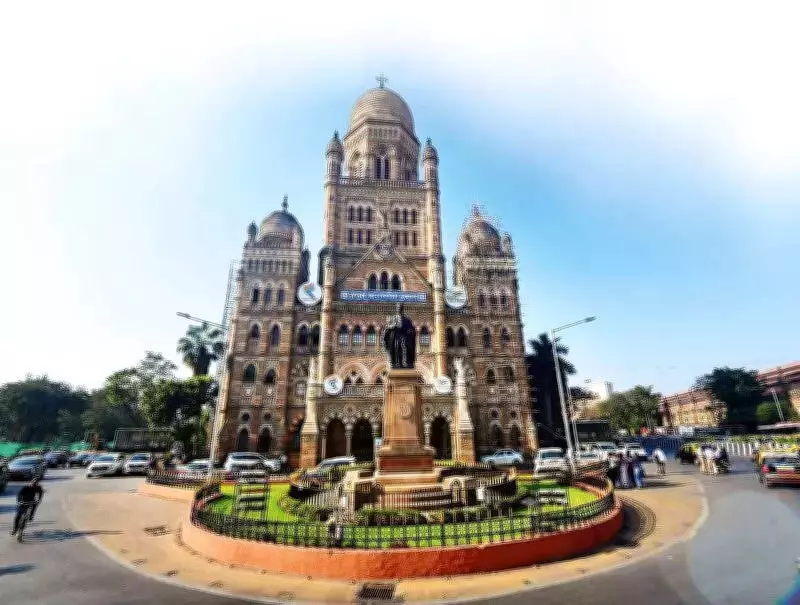
Mumbai's Civic Body Set to Reinstate Entertainment Tax After 2026
The Brihanmumbai Municipal Corporation (BMC) is poised to implement an entertainment tax starting after September 2026, pending approval from the state's urban development department. This move targets a wide array of entertainment venues, including theatres, multiplexes, bowling alleys, cable TV providers, discotheques, pubs, pool parlours, exhibitions, races, and circuses. The BMC anticipates generating over Rs 500 crore in revenue from this levy, a significant increase from the Rs 376 crore collected in 2016-17 under the previous tax system.
Industry Experts Warn of Rising Ticket Prices
Experts predict that the reintroduction of entertainment tax will likely lead to higher ticket prices in Mumbai. Nitin Datar, President of the Cinema Owners and Exhibitors Association of India (COEAI), highlighted that while the GST regime allowed states to collect entertainment tax, Maharashtra has not enforced it until now. He explained, "If a 10% tax is applied, multiplex tickets could rise from Rs 100 to Rs 110. For single-screen theatres with tickets priced at Rs 30-80, even a small increase of three or four rupees can be substantial for audiences."
Legal Framework and Exemption Details
According to BMC budget documents, an amendment to the Maharashtra Entertainment Duty Act has transferred the responsibility of collecting entertainment tax from the state government to local authorities. The state revenue and forest department has extended an exemption from entertainment duty from September 16, 2017, to September 30, 2026. A BMC official stated, "We will seek data from district collectorates and adopt their tax system model, subject to approval from the urban development department."
Industry Opposition and GST Concerns
Nitin Tej Ahuja, CEO of the Producers Guild of India, expressed concerns, noting he has not reviewed the proposal but opposes additional local taxes on entertainment. "The principle behind GST was 'One Nation One Tax,' and it's unclear why the entertainment industry should face extra levies. We've advocated against this to central and state governments," he said.
Impact on Film Industry Recovery
B N Tiwari, President of the Federation of Western India Cine Employees (FWICE), warned that the tax could hinder the industry's post-pandemic recovery. "After years of losses and OTT competition, any tax that raises ticket prices burdens audiences and reduces footfall, affecting workers and technicians. Revenue goals should not compromise cinema revival," he emphasized. FWICE suggests keeping the tax nominal or structuring it to avoid passing costs to consumers, to protect single-screen theatres and industry sustainability.
In summary, the BMC's plan to impose entertainment tax aims to boost civic revenue but faces criticism for potential price hikes and negative effects on Mumbai's entertainment sector, with stakeholders calling for careful implementation to balance financial needs with industry health.