

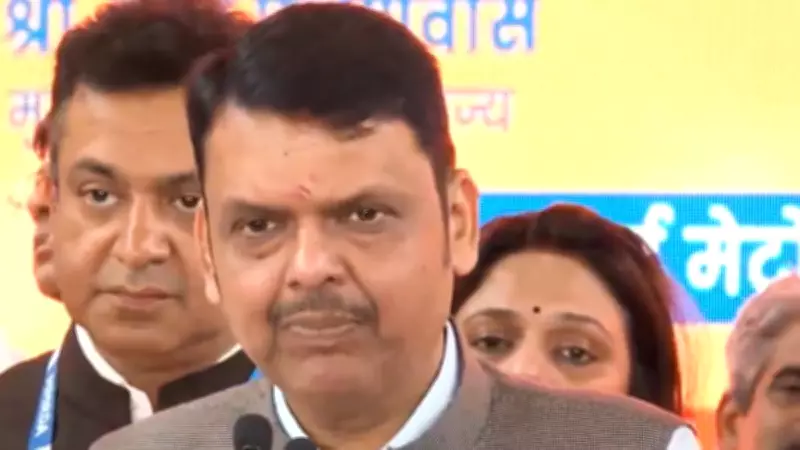
Mumbai Metro Line 3 Phase 1 Inaugurated by CM Devendra Fadnavis
In a significant development for Mumbai's urban infrastructure, Maharashtra Chief Minister Devendra Fadnavis inaugurated the first phase of Mumbai Metro Line 3 on April 7, 2026. This milestone marks a crucial step in enhancing public transportation in India's financial capital, aimed at alleviating chronic traffic congestion and improving connectivity for millions of commuters.
Route and Stations of the New Metro Line
The inaugural phase of Mumbai Metro Line 3 spans from Aarey Colony to Bandra Kurla Complex (BKC), covering a distance of approximately 12 kilometers. This segment includes several key stations strategically located to serve major residential, commercial, and institutional hubs. The stations along this route are designed to integrate seamlessly with existing transport networks, facilitating smoother interchanges for passengers.
Key stations on this phase include:

- Aarey Colony
- Marol Naka
- MIDC
- Saki Naka
- Asalpha
- Jagruti Nagar
- Kurla
- Bandra Kurla Complex (BKC)
Each station is equipped with modern amenities such as elevators, escalators, and dedicated spaces for differently-abled individuals, ensuring a comfortable and accessible travel experience. The infrastructure also incorporates advanced safety features and real-time passenger information systems to enhance operational efficiency.
Operational Timings and Frequency
The newly inaugurated phase of Mumbai Metro Line 3 will operate from 6:00 AM to 11:00 PM daily, catering to the peak commuting hours of the city. During rush hours, trains are scheduled to run at intervals of 5 to 7 minutes, while off-peak hours may see frequencies of 10 to 15 minutes. This scheduling is designed to optimize passenger flow and reduce waiting times, making the metro a reliable alternative to road transport.
Authorities have emphasized that these timings are subject to adjustments based on passenger demand and operational assessments in the initial months. Commuters are advised to check official updates for any changes to the schedule or service disruptions.
Impact on Mumbai's Transport Landscape
The inauguration of Mumbai Metro Line 3's first phase is expected to have a transformative impact on the city's transport ecosystem. By providing a high-capacity, efficient rail link between Aarey Colony and BKC, this project aims to decongest key arterial roads and reduce travel time for thousands of daily commuters. Bandra Kurla Complex, a major business district, stands to benefit significantly from improved connectivity, potentially boosting economic activities and reducing reliance on private vehicles.
Furthermore, this development aligns with broader urban planning goals under the Mumbai Metropolitan Region Development Authority (MMRDA), focusing on sustainable mobility solutions. The metro line is projected to reduce carbon emissions by encouraging a shift from road-based transport to rail, contributing to environmental sustainability efforts in the region.
Future Phases and Expansion Plans
While the first phase is now operational, the complete Mumbai Metro Line 3 is envisioned to extend further, connecting additional parts of the city in subsequent phases. Future expansions are planned to link areas such as Colaba and Seepz, creating a comprehensive network that enhances intra-city mobility. Authorities have outlined a phased rollout strategy, with ongoing construction and testing for upcoming segments to ensure timely completion.
Key highlights of the expansion include:
- Integration with existing metro lines and suburban railways for seamless multi-modal transport.
- Use of advanced technologies for train control and passenger management systems.
- Focus on last-mile connectivity through feeder services and pedestrian-friendly infrastructure.
The successful inauguration of this phase sets a positive precedent for future infrastructure projects in Maharashtra, underscoring the state government's commitment to modernizing public transport. As Mumbai continues to grow, such initiatives are crucial for managing urban sprawl and enhancing the quality of life for its residents.






