Murshidabad's 2026 Assembly Elections: A Defining Battle Over Identity and Voter Rights
In the heart of West Bengal, the district of Murshidabad has long been a crucible where politics intertwines with deep-seated issues of religion, migration, and identity. As the 2026 Assembly Elections approach, this region has transformed into a fierce battleground, with the contest now crystallizing into a stark choice between a name and a blank space on the ballot.
The SIR Row Intensifies the Electoral Stakes
The Special Intensive Revision (SIR) row has emerged as a central flashpoint, amplifying tensions over voter rights and demographic representation. This controversy revolves around the verification and inclusion of voters in the electoral rolls, a process that has sparked allegations of manipulation and exclusion from various political factions.
Historically, Murshidabad's political landscape has been shaped by its diverse population, with communities often aligning along religious and migratory lines. The SIR issue has brought these underlying fault lines to the forefront, turning the election into a referendum on identity politics. Voters are now grappling with questions of who gets to participate in the democratic process and how their affiliations are recognized or erased.

A Clash of Symbols: Name Versus Blank Space
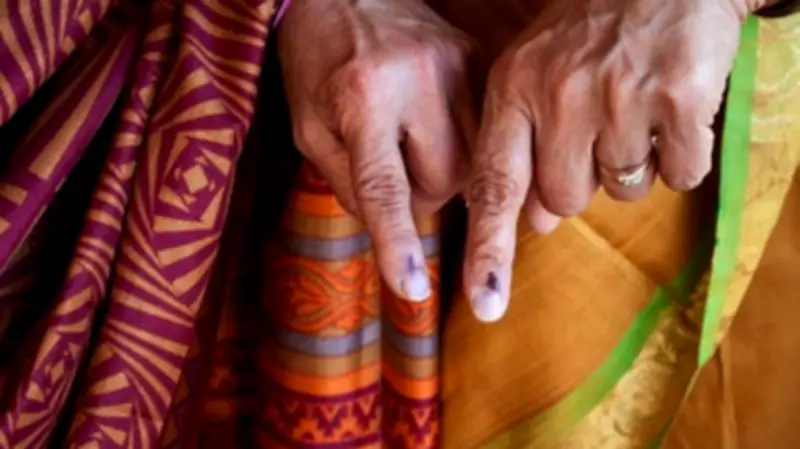
At the core of this electoral drama is the symbolic battle between having one's name officially listed in the voter registry versus being left as a blank space—effectively disenfranchised. This dichotomy has resonated deeply with residents, many of whom view it as a matter of existential importance for their community's voice in governance.
Political parties have seized upon this narrative, framing their campaigns around promises to safeguard voter rights and uphold identity-based interests. The discourse has shifted from mere policy debates to emotional appeals about belonging and representation, making the stakes in Murshidabad exceptionally high.
Broader Implications for West Bengal's Political Future
The outcome in Murshidabad is poised to have significant ripple effects across West Bengal. As a bellwether district, its election results could influence strategies in other regions grappling with similar issues of migration and identity. The SIR row has also drawn attention to the administrative challenges of maintaining accurate electoral rolls in a diverse and dynamic population.
With the 2026 polls drawing nearer, the focus remains on how this battle will unfold, potentially reshaping the political contours of the state. Voters in Murshidabad are not just choosing representatives; they are making a statement about their place in India's democratic fabric.