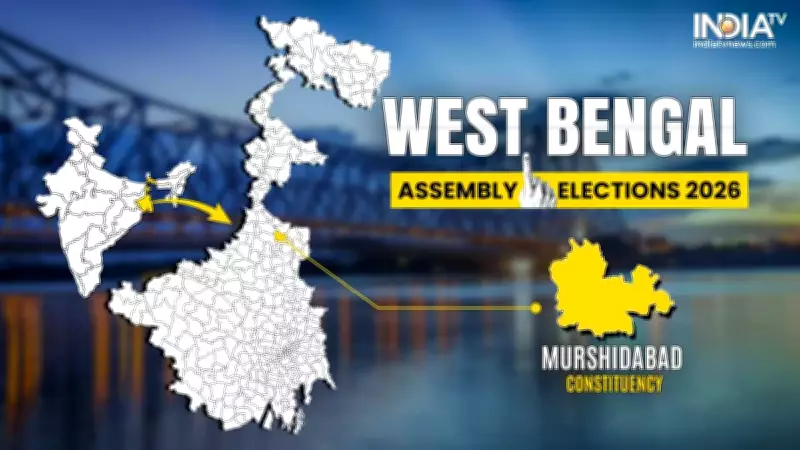
Murshidabad Constituency: A Crucial Battleground for West Bengal's 2026 Assembly Election
The Murshidabad constituency is poised to be a significant focal point in the upcoming West Bengal Assembly Election of 2026. As political parties gear up for this high-stakes contest, understanding the historical context and electoral dynamics of this region becomes essential for predicting future outcomes. This constituency, located in the culturally rich district of Murshidabad, has consistently played a pivotal role in shaping the state's political landscape, making it a key area of interest for analysts and voters alike.
Historical Overview and Past Winners
Murshidabad has a storied electoral history, with various political parties vying for dominance over the years. In previous assembly elections, the constituency has witnessed intense competition, often reflecting broader statewide trends. Past winners have hailed from major political factions, including the Trinamool Congress (TMC), the Bharatiya Janata Party (BJP), and the Indian National Congress (INC). Each victory has been marked by strategic campaigning and deep-rooted local support, highlighting the constituency's importance in West Bengal's political arena.
For instance, in the last assembly election, the winning candidate secured a notable mandate, underscoring the electorate's preferences and the effectiveness of party strategies. The historical data reveals patterns of voter behavior, with shifts in allegiance often influenced by regional issues, governance performance, and national political currents. This backdrop sets the stage for a highly competitive race in 2026, as parties aim to leverage past successes or address previous shortcomings.
Vote Margin Analysis and Electoral Trends
The vote margin in Murshidabad has varied significantly across elections, indicating a dynamic and sometimes unpredictable electorate. In some contests, victories have been achieved with narrow margins, suggesting a closely fought battle where every vote counts. In other instances, winners have enjoyed substantial leads, reflecting strong party consolidation or widespread dissatisfaction with opponents.
Analyzing these margins provides insights into voter sentiment and party strength. Factors such as candidate popularity, local development initiatives, and socio-economic conditions have historically influenced vote shares. As the 2026 election approaches, parties are likely to focus on narrowing or expanding these margins through targeted campaigns, addressing key issues like infrastructure, employment, and social welfare to sway undecided voters.
Party-Wise Candidates and Strategic Outlook for 2026
With the West Bengal Assembly Election 2026 on the horizon, political parties are expected to field strong candidates in Murshidabad to capitalize on its electoral significance. The Trinamool Congress, currently in power in the state, may nominate a candidate with a proven track record or a fresh face to appeal to changing voter demographics. The BJP, aiming to expand its footprint in West Bengal, could select a high-profile leader or a local stalwart to challenge the incumbent forces.
The Indian National Congress and other regional parties might also put forward contenders, adding to the competitive mix. Candidate selection will be crucial, as it involves balancing experience, charisma, and alignment with party ideologies. Parties are likely to emphasize issues such as agricultural development, healthcare access, and cultural preservation to resonate with Murshidabad's diverse population.
Campaign strategies may include extensive grassroots outreach, digital mobilization, and alliances with local groups. The outcome in Murshidabad could serve as a bellwether for the overall election results, making it a constituency to watch closely as political dynamics unfold in the lead-up to 2026.
Conclusion: Murshidabad's Role in Shaping West Bengal's Future
In summary, the Murshidabad constituency stands as a microcosm of West Bengal's broader political struggles and aspirations. Its past winners, vote margins, and candidate dynamics offer valuable lessons for the upcoming 2026 Assembly Election. As parties refine their approaches and voters weigh their options, Murshidabad's electoral journey will undoubtedly influence the state's governance and policy direction for years to come. Stakeholders across the political spectrum are advised to monitor this constituency closely, as its results may hold key insights into the future of West Bengal's democracy.