

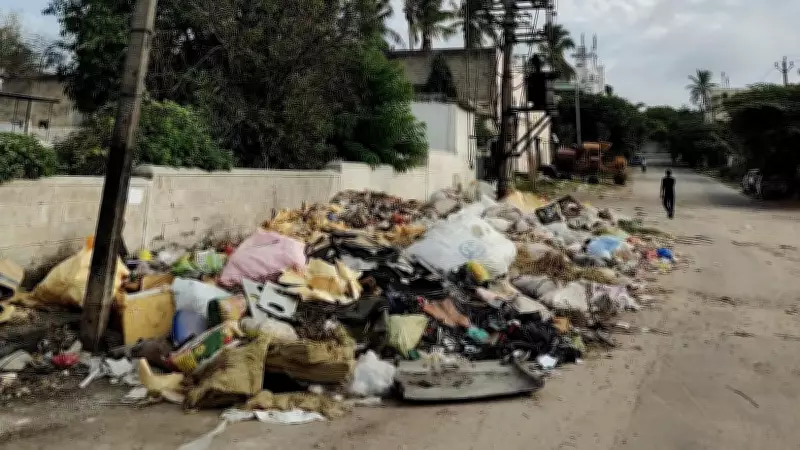
Mysuru's AI-Driven Clean City Initiative Hits Funding Roadblock
In a setback for urban development in Karnataka, the implementation of an artificial intelligence (AI)-driven system aimed at transforming Mysuru into a cleaner city has been delayed due to a significant funding crunch. This project, which was poised to revolutionize waste management and sanitation efforts, is now facing operational hurdles that could impact the city's smart city aspirations.
Project Overview and Objectives
The AI-driven system was designed to leverage advanced technologies to monitor and manage cleanliness across Mysuru. By utilizing sensors, cameras, and data analytics, the system aimed to identify litter hotspots, optimize waste collection routes, and enhance overall sanitation efficiency. Key objectives included reducing pollution, improving public health, and promoting sustainable urban living through real-time monitoring and automated responses.
Authorities had envisioned this initiative as a cornerstone of Mysuru's development plans, aligning with broader goals to position the city as a model for smart and clean urban environments in India. The integration of AI was expected to bring precision and scalability to waste management, addressing long-standing challenges in maintaining cleanliness in densely populated areas.

Causes and Implications of the Funding Shortage
The delay stems from insufficient financial resources allocated for the project's deployment and maintenance. Despite initial approvals and planning phases, the required funds have not been secured, leading to postponements in procuring necessary hardware, software, and technical support. This funding gap has raised concerns about the timeline for achieving the project's targets, potentially affecting public expectations and environmental outcomes.
Local officials have cited budget constraints and competing priorities as primary factors behind the fund crunch. The situation highlights broader issues in funding for technological innovations in public infrastructure, especially in regions striving to adopt smart city solutions. Without adequate investment, Mysuru risks falling behind in its cleanliness goals, which could have cascading effects on tourism, health, and quality of life for residents.
Stakeholder Responses and Future Prospects
In response to the delay, stakeholders, including municipal authorities and technology partners, are exploring alternative funding avenues, such as public-private partnerships or grants from state and central government schemes. Efforts are underway to reassess the project's scope and identify cost-effective solutions to revive implementation. However, uncertainties remain regarding when the AI system will become operational, with no fixed timeline announced yet.
The community in Mysuru has expressed mixed reactions, with some residents hopeful for the project's eventual success and others frustrated by the setbacks. Environmental advocates emphasize the urgency of addressing waste management through innovative means, urging swift action to overcome financial hurdles. As discussions continue, the focus is on securing sustainable funding to ensure the AI-driven system can deliver on its promise of a cleaner, smarter Mysuru.
This development underscores the challenges in integrating cutting-edge technology into public services, particularly in funding-dependent sectors. It serves as a case study for other Indian cities aiming to adopt similar AI solutions, highlighting the need for robust financial planning and support to avoid delays and maximize impact.






