

Nagpur Municipal Corporation Welcomes Elected House After Four-Year Hiatus
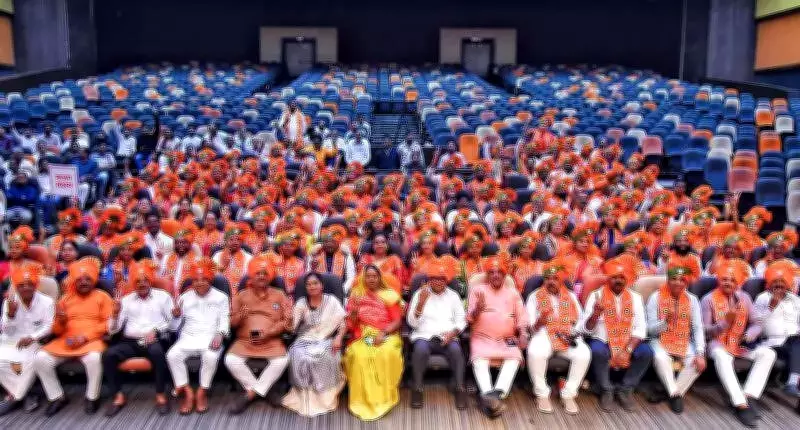
In a significant development for urban governance, elected representatives officially assumed control of the Nagpur Municipal Corporation (NMC) during a special general body meeting held on Friday. This momentous occasion, marking the end of nearly four years of administrative rule, was characterized not by political theatrics but by profound symbolism, distinctive sartorial choices, and an overwhelming atmosphere of civic renewal.
An Unconventional Venue for a Historic Gathering
With the iconic Town Hall still undergoing reconstruction, the historic assembly took place at the Suresh Bhat Auditorium—a cultural venue typically reserved for poetry and musical performances. This temporary transformation from artistic space to governance chamber created a unique backdrop for what many are calling a "democracy reboot" for Nagpur's civic administration.
The atmosphere was one of cautious optimism as 151 elected corporators gathered for their first collective meeting since 2022, with the proceedings marked by formal introductions and procedural formalities rather than political confrontation.

A House Transformed: Fresh Faces and Gender Balance
The composition of the new House reveals a dramatic shift in Nagpur's political landscape. A remarkable 92 of the 151 corporators are first-time office holders, bringing unprecedented fresh perspectives to municipal governance. This influx of new representatives signals a potential transformation in how civic issues will be addressed.
Equally significant is the strong feminine presence within the chamber. With 78 women corporators now holding seats, the House achieves a rare numerical advantage for female representation that subtly but noticeably influences the tone and texture of political discourse.
Generational Diversity and Symbolic Attire
The age spectrum within the new House provides compelling visual symbolism of continuity and change. The youngest member, 21-year-old Lakshmi Hattithele from Prabhag 5, shares legislative responsibilities with 72-year-old Pramila Mathrani from Prabhag 1—two generations united by a common civic mandate.
Political affiliations manifested clearly through carefully chosen attire. BJP corporators made a coordinated visual statement with many wearing traditional pagdis, while men predominantly wore kurta pyjamas and women opted for sarees, projecting cultural rootedness and confidence. Congress representatives maintained a more restrained presence, mostly appearing in white kurta-pyjamas.
Diverse Representation and Quiet Proceedings
Several individual representatives stood out for their symbolic choices. BSP's sole corporator, Harshala Jaiswal, drew attention with her Savitribai Phule-inspired attire, invoking the legacy of social reform through visual homage. AIMIM and IULM women corporators, clad in burqas, further enriched the House's visual diversity, reflecting Nagpur's pluralistic civic character.
Despite the symbolic significance of the gathering, the proceedings themselves remained remarkably calm and procedural. The absence of political fireworks or confrontational debates suggested a House cautiously finding its footing, with representatives focusing on establishing protocols rather than engaging in partisan battles.
Substantive Challenges Await the New Administration
Beneath the surface composure lies the substantial weight of civic responsibility. This newly constituted body inherits a city grappling with stalled development projects, mounting public complaints, and years of administrative backlog accumulated during the period of administrative rule.
As the meeting concluded, the fundamental significance of the occasion became clear: this gathering represented not merely a procedural formality but the restoration of democratic representation to Nagpur's civic governance. The powerful symbolism of elected representatives reclaiming their seats after years of absence now sets the stage for the more challenging work of governance, accountability, and tangible public service delivery that citizens rightfully expect.






