

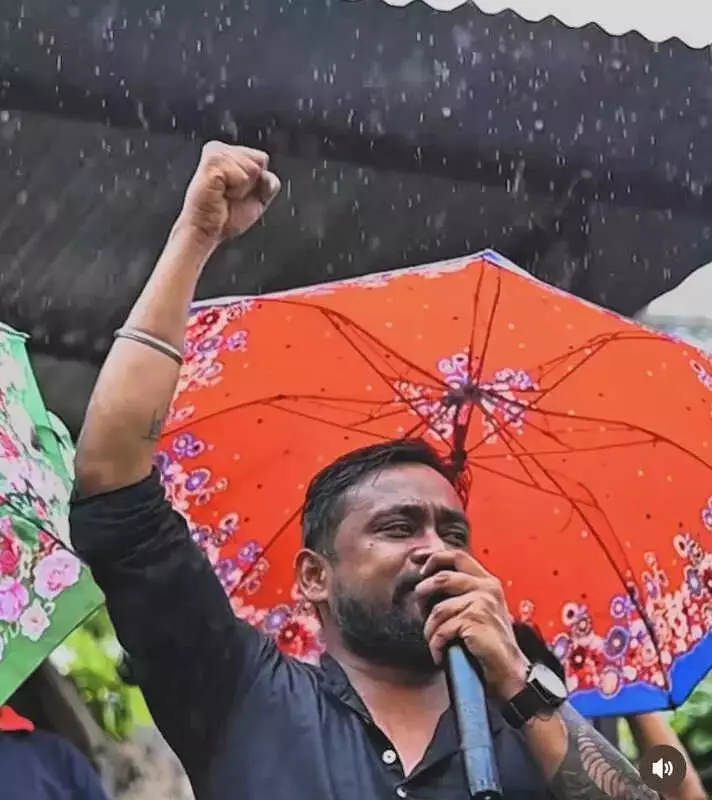
Nagpur is witnessing a dramatic transformation in its civic political landscape as nomination forms for the crucial January 15 Nagpur Municipal Corporation (NMC) elections are being distributed. The most striking feature of this electoral fray is the entry of several prominent street-level activists and protest leaders, who are now vying for a seat inside the very system they once confronted from the outside.
From Streets to Ballot: The Rise of the Activist-Candidate
This shift comes after nearly three years of administrator-led governance, following the dissolution of the NMC general body in March 2022. During this period, citizen agitations over civic issues became commonplace, but yielded limited long-term results. Now, these activists argue that true change requires representation, leading them to transition from protestors to political candidates.
Among the most visible faces is Congress leader Shailesh Pandey. He led sustained protests demanding speed breakers on the Inner Ring Road near St Vincent Pallotti School, citing repeated accidents and pedestrian risk. His persistent pressure eventually forced the state public works department to install them. However, Pandey later accused the department of diluting the safety measure by insulating the speed breakers, highlighting a pattern of cosmetic compliance over genuine solutions. His agitations on poor road restoration and civic safety have built his reputation as an issue-driven leader.

Another Congress figure, Abhijit Jha, has been at the forefront of multiple protests concerning crumbling roads, irregular water supply, and deteriorating sanitation in various localities. Jha repeatedly mobilized residents to confront civic officials, arguing that basic services collapsed without elected corporators. "People were left to chase files from one office to another. Protest is the only language the system understands," Jha stated, explaining his decision to contest the polls.
Holding the Administration Accountable
Pramod Thakur, a Congress worker seeking a ticket from Prabhag 10, also emerged as a consistent voice against civic neglect during the administrator regime. He led several protests highlighting critical issues like:
- Chronic waterlogging
- Faulty drainage lines
- Incomplete infrastructure works, especially during monsoons
Thakur focused on neighbourhood-level problems, asserting they would have been resolved quickly had elected corporators been in place. "Administrator rule meant no ward-level accountability. Residents suffered while departments passed the buck," he said.
Adding a sharper edge to this narrative is Shiv Sena (UBT)'s Nitin Tiwari. Tiwari not only led protests but also exposed alleged scams, including the dumping of mud-mixed garbage at the Bhandewadi dumping yard, raising serious questions about waste management contracts and supervision. His interventions forced civic authorities to acknowledge irregularities, though critics note corrective action remained slow. Tiwari positions himself as a watchdog rather than a conventional politician.
A New Political Challenge Emerges
Adding a parallel challenge to established parties is Yash Gaurkhede, a long-time campaigner for street vendors' rights. He has floated a new political outfit, the Jan Badlao Party. Gaurkhede fought for legal protection of hawkers, proper surveys, and implementation of the Street Vendors Act, often clashing with enforcement agencies. His electoral entry reflects growing discontent among informal workers who feel excluded from mainstream politics.

Voter Anger and the Quest for Accountability
The rise of these protest leaders as candidates underscores a deeper voter anger that simmered during the three years of administrator rule. While Nagpur saw repeated citizen demonstrations, they resulted in few lasting fixes. As the city heads towards the January 15 polls, these candidates are banking on the credibility and trust they earned on the streets. The central question now is whether the electorate will judge their activism as a valid qualification for governance, and if their entry into the civic body can finally translate street-level pressure into sustained administrative accountability and effective problem-solving from within the system.





