

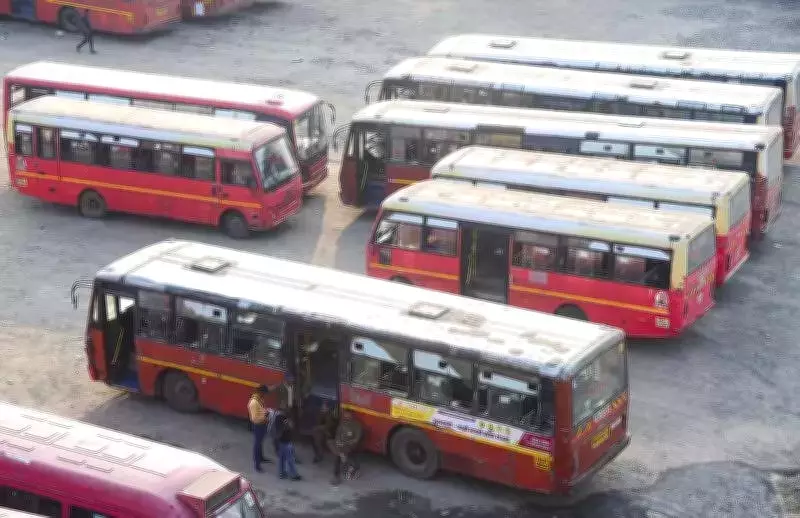
Nagpur's Public Transport Grapples with Fuel Crisis Impact
The ongoing fuel crisis in Nagpur has started to significantly affect the city's public transport system, with as many as 65 diesel-run Aapli buses potentially being removed from service starting Wednesday. This development follows a notification from a Pune-based operator to the Nagpur Municipal Corporation (NMC), citing an inability to continue operations due to severe fuel shortages.
Operator Withdrawal and Civic Response
Travel Time, one of the three Red Bus operators managing diesel buses for the NMC, has formally informed the civic body that it cannot operate its fleet of 65 diesel buses because of the fuel crisis. Additional Municipal Commissioner Vasumana Pant confirmed this on Tuesday, highlighting the operational challenges posed by the situation.
Despite this setback, civic officials have assured that public transport services will continue without major disruptions. The administration plans to heavily rely on its extensive fleet of 385 electric buses to compensate for any potential losses in diesel operations.

Current Fleet and Commuter Impact
Overall, the NMC operates a total of 580 buses under the Aapli Bus service, which includes 195 diesel buses managed through three Red Bus operators. The diesel fleet consists of 150 midi buses and 45 mini buses that serve numerous key routes across Nagpur.
Approximately 55,000 commuters depend on these diesel-run buses daily, with the fleet completing more than 2,500 trips each day. However, the bulk of ridership is now being handled by the electric fleet, which has become the backbone of the city's public transport system.
Electric Bus Operations and Capacity
The electric bus fleet comprises 385 vehicles, including 46 non-AC models, operating on 61 routes throughout Nagpur. These e-buses cater to nearly 1.15 lakh passengers daily, making close to 4,500 trips across the city. Officials emphasize that the growing electric fleet is well-equipped to absorb additional load if diesel operations are further impacted by the fuel shortage.
Contingency Planning and Future Outlook
In response to the crisis, the NMC has already prepared a detailed contingency plan to ensure smooth daily operations. If diesel supplies remain irregular, the administration will gradually divert electric buses to routes currently served by diesel buses and optimize existing schedules to avoid disruptions. Route-wise adjustments are also being planned to maintain frequency during peak hours, ensuring that regular commuters are not adversely affected.
Additional Municipal Commissioner Vasumana Pant appealed to citizens not to panic over the fuel situation, stating that the civic body has thoroughly assessed the operational capacity of the electric fleet. Necessary scheduling adjustments will be implemented if diesel supply becomes irregular. "Even if diesel buses are affected, the Aapli Bus service will remain functional and commuters will not face major inconvenience," she reassured.
Long-Term Implications and Sustainability
With more than 1.7 lakh commuters utilizing Aapli Bus services every day, the civic body believes that the expanding electric fleet will not only help address the current fuel crisis but also strengthen the long-term shift towards sustainable and dependable public transport in Nagpur. This transition underscores a broader commitment to reducing reliance on fossil fuels and enhancing urban mobility resilience.
The situation remains fluid, and officials are closely monitoring fuel supply chains to mitigate further impacts on public transportation.






