Nagpur Grapples with Prolonged LPG Cylinder Shortage Despite Official Assurances
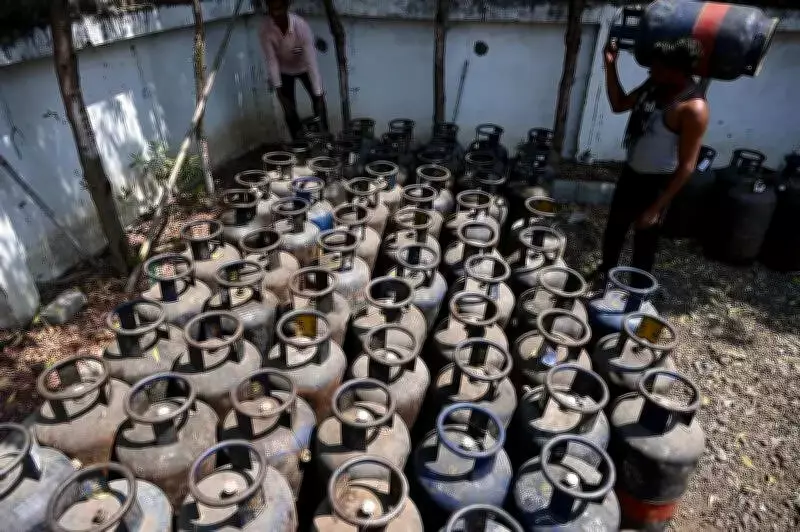
Despite repeated assurances from government authorities and oil marketing companies (OMCs) that liquefied petroleum gas (LPG) supply is returning to normal, residents and businesses across Nagpur continue to face an acute shortage of cylinders. Delivery delays have now stretched to an alarming 20-30 days after booking, creating significant disruption to daily life and commercial operations throughout the city.
Extended Waiting Periods Disrupt Household and Commercial Routines
Multiple consumers have reported that the situation has deteriorated considerably over recent weeks, severely impacting both household routines and business operations. In numerous instances, residents explained that even after completing the mandatory 25-day gap between bookings, they must wait an additional 20 to 30 days for actual delivery. This effectively pushes the total waiting period close to 50 days, creating unprecedented hardship for families and enterprises alike.
The confusion surrounding deliveries has only intensified consumer frustration. Some consumers have experienced automatic cancellation of their bookings without receiving cylinders, while others have received notification messages indicating cylinders were "delivered" despite never actually receiving them. These irregularities have compounded the difficulties faced by consumers already struggling with severely limited availability.

Supply Levels Remain Far Below Pre-Crisis Norms
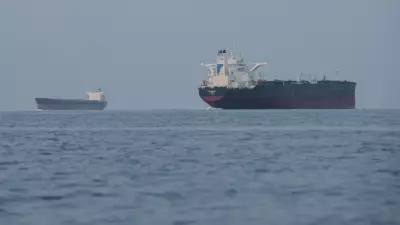
The current crisis initially emerged in early March, triggered by the West Asia conflict that created long queues outside gas agencies throughout Nagpur. While officials acknowledge some marginal improvement since those initial disruptions, numerous areas across the city continue to report supply shortages and sporadic long lines at distribution points.
District administration officials have openly admitted that supply has not yet returned to pre-crisis levels. Before the disruption began, Nagpur received approximately 33,000 domestic cylinders daily along with 1,200 commercial cylinders. Current domestic supply fluctuates between just 18,000 and 25,000 cylinders per day, representing a significant reduction. Meanwhile, commercial supply has plummeted dramatically to approximately 120 cylinders daily—a staggering 90% decrease from previous levels.
Administrative Response and Industry Blame Game
A senior official from the Collectorate revealed that during a recent review meeting, the newly appointed district collector issued strict instructions to both gas agencies and companies to ensure citizens do not suffer unnecessarily. While acknowledging some improvement, officials indicated it could take at least two more months for the situation to stabilize completely.
Gas agency owners have squarely blamed OMCs for the ongoing problems. According to Bablu Tiwari, state president of the LPG Dealers Association of India, agencies are currently receiving only about half of their required supply. Tiwari also pointed to the introduction of multiple new regulations that he claims are further complicating the distribution process and slowing deliveries to a crawl.
Echoing these concerns, gas agency owner Mahendra Gavai alleged that despite clear instructions from the collector to increase supply in affected areas, companies have instead reduced allocation by nearly 50%. Gavai further stated, "The collector also asked companies to send email to gas agency owners regarding the notification of OTP compulsion for delivery, but even after four days, the companies did not even send the email."
The persistent supply gap continues to create significant challenges for Nagpur's residents and businesses, with no immediate resolution in sight despite official claims of normalization.