Nagpur Municipal Corporation Proposes First Property Tax Increase in Nearly a Decade
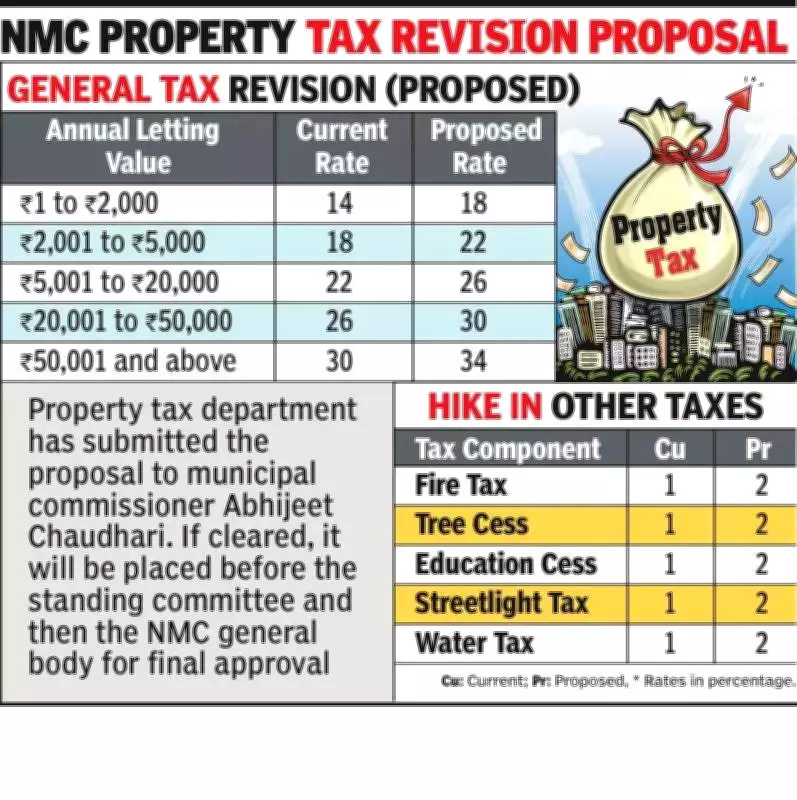
The Nagpur Municipal Corporation's property tax department has broken a nine-year status quo by proposing a significant 4% increase in general tax across all five existing slabs. This major fiscal move comes alongside proposed hikes in five additional municipal levies ranging from 1% to 2%, marking the first comprehensive tax revision since 2015.
Complex Calculation System Behind Proposed Increases
The NMC calculates property tax based on the annual letting value, which is determined by multiplying the net built-up area in square meters with the prevailing base rental rate of the specific locality. This base figure then undergoes multiple adjustments through various weightage factors that account for property characteristics.
Key factors influencing final tax amounts include:

- Structural category multipliers (premium construction at 1.25, good construction at 1.0, ordinary construction at 0.8)
- Usage factors distinguishing between residential, commercial, and other property types
- Age factor adjustments based on building construction date
Administrative and Political Hurdles to Implementation
The proposal, framed as a necessary fiscal corrective measure to bolster municipal revenues, currently awaits approval from Municipal Commissioner Abhijeet Chaudhari. If cleared at this initial stage, the revision must navigate through the standing committee before reaching the general body for final authorization, with potential implementation scheduled for the next financial year.
What makes this proposal particularly intriguing is its timing and the civic body's recent history of inaction. Between March 2022 and January 2026, the NMC operated without an elected general body, granting the administrator full powers under the Maharashtra Municipal Corporation Act to make crucial fiscal decisions. Despite this extended period of administrative control, similar tax revision proposals submitted during this window failed to receive approval.
Political Realities and Fiscal Necessities Collide
With the BJP securing a fourth consecutive term in the Nagpur Municipal Corporation, the political landscape presents significant uncertainty for the tax hike proposal. While no immediate election pressure exists, political observers note that a ruling party with a fresh mandate typically avoids early-term decisions that could generate public dissatisfaction.
Property tax represents the civic body's primary internal revenue source, funding essential municipal services including road maintenance, water supply systems, sanitation operations, and fire protection services. Since the last revision in 2015, operational costs, infrastructure demands, and salary expenditures have steadily increased, creating mounting fiscal pressure.
Officials privately acknowledge that Nagpur's current property tax rates remain lower than those of several comparable municipal corporations, limiting revenue mobilization potential despite growing service demands.
Balancing Fiscal Responsibility with Political Sensitivities
Governance frequently involves navigating the delicate balance between fiscal arithmetic and political optics. While the proposed tax revision represents financially prudent policy, its implementation carries significant political inconvenience for elected representatives.
As the civic budget presentation approaches later this month, municipal observers will closely monitor whether this long-pending proposal finally gains traction or remains confined to administrative files, reflecting the familiar hesitation to balance municipal books at the potential cost of voter sentiment.
The decision will ultimately reveal whether fiscal necessity can overcome political caution in Nagpur's municipal governance landscape.