

Andhra Pradesh CM Announces Comprehensive Population Management Policy
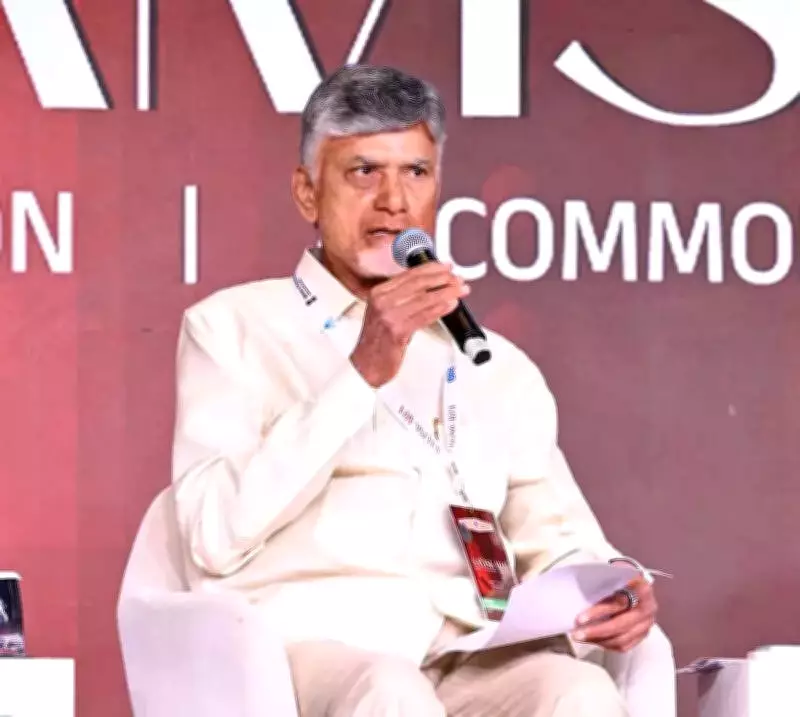
Chief Minister N Chandrababu Naidu revealed on Saturday that Andhra Pradesh has implemented a forward-thinking population management policy to address future demographic challenges. Speaking at the prestigious Raisina Dialogue in New Delhi—marking the first time a state chief minister has been invited in the event's history—Naidu emphasized the policy's importance in preventing long-term population imbalances.
Addressing Declining Fertility Rates
Naidu highlighted that southern Indian states have experienced a significant drop in fertility rates to approximately 1.5. The primary objective of Andhra Pradesh's new policy is to elevate this rate to 2.1, which is considered the replacement level needed to maintain stable population growth. This strategic shift moves away from traditional family planning approaches toward ensuring sustainable population stability.
The government is actively promoting awareness about having more than two children through various incentive programs. These include a substantial financial incentive of ₹25,000 for families having a third child, along with ongoing monthly support of ₹1,000. Additional benefits such as extended child-care leave are currently under serious consideration by state authorities.

Learning from Global Demographic Trends
Naidu pointed to numerous countries already struggling with rapidly aging populations as cautionary examples. "India must take proactive measures now rather than reacting after demographic problems become severe," he asserted during his address. The chief minister stressed that early intervention is crucial to avoid the economic and social challenges associated with disproportionate elderly populations.
India's Technological Evolution and Reverse Migration
Reflecting on India's technological journey, Naidu credited the nation's early adoption of telecom and technology reforms for enabling remarkable progress. He noted that Indian professionals have played instrumental roles in the development of numerous countries worldwide, with their information technology expertise gaining global recognition.
The chief minister discussed how India's reputation for producing excellent diplomats known for flexibility and adaptability has significantly strengthened the country's international standing. Referring to historical patterns of "brain drain," where highly skilled Indians migrated to destinations like Silicon Valley, Naidu predicted an imminent phase of reverse migration.
"With skills and resources increasingly concentrated within India, opportunities are shifting toward regions capable of supporting new-age industries," Naidu explained. He highlighted that nearly 60% of global capability centers have chosen India as their base, demonstrating strong confidence in the country's workforce capabilities.
Green Energy and Cooperative Federalism
Naidu emphasized India's rapid advancement in renewable energy sectors, predicting that the nation will emerge as a significant electricity exporter to multiple countries. He stressed that cooperative federalism between states and the central government is essential to maintain this positive momentum. Andhra Pradesh is actively coordinating with both central authorities and neighboring states across various development sectors.
Andhra Pradesh's Ambitious Development Plans
The chief minister outlined extensive long-term development initiatives centered around Amaravati, where a creative city is being constructed specifically for innovators and unconventional thinkers. This comprehensive strategy includes specialized zones such as drone city, aerospace city, and electronics city, all designed to position Andhra Pradesh as a premier hub for emerging technologies.
With artificial intelligence data centers taking shape across the state, Andhra Pradesh is preparing to become a leading destination for AI and quantum computing research and development. Naidu also highlighted upcoming transformations in healthcare delivery, noting that drone ambulances—once merely conceptual—are now becoming operational realities.

Business-Friendly Environment and Global Collaboration
Naidu detailed how Andhra Pradesh has enhanced its business climate through improved infrastructure and streamlined approval processes that ensure investors receive timely clearances without unnecessary delays. The state is establishing a Global Leadership Center in Amaravati to strengthen talent development initiatives and foster international collaboration.
The Raisina Dialogue, organized by the Observer Research Foundation in partnership with the Ministry of External Affairs, featured significant interest in Andhra Pradesh's development. ORF President Samir Saran expressed interest in establishing their southern regional center at Amaravati, with Chief Minister Naidu extending a warm welcome and offering full governmental support for this initiative.





