

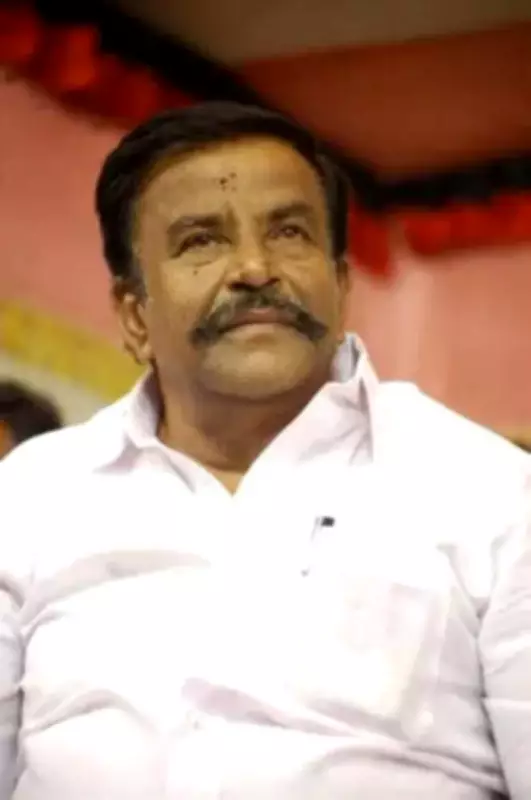
Minister Nehru Rebukes AIADMK Leader Over LPG Shortage Remarks
In a sharp political exchange, Minister K N Nehru on Saturday launched a strong critique against AIADMK general secretary Edappadi K Palaniswami for his comments regarding the ongoing LPG shortage in the state. Nehru emphasized that the issue of gas supply and pricing falls squarely under the jurisdiction of the Union government, not the state administration.
Jurisdictional Clarity and Political Motives
Speaking at a meeting of party district functionaries from Trichy Central and North units, along with alliance partners, Nehru stated, "Despite serving as chief minister, he appears unaware of which authority holds jurisdiction over specific issues. On matters such as gas price hikes and shortages, it is the Union govt that must take action." He accused Palaniswami of making such remarks primarily to discredit the state government in the lead-up to elections, rather than addressing the core problem.
Nehru highlighted that Chief Minister M K Stalin has been effectively steering the alliance while ensuring that the sentiments of all coalition partners are respected. He reaffirmed the DMK-led alliance's commitment to preventing the BJP from gaining a foothold in Tamil Nadu, underscoring their unified political strategy.

Resolution and Planned Protests
During the meeting, a resolution was unanimously passed condemning the Central government for the LPG shortage and for allegedly neglecting Tamil Nadu in the allocation of development schemes. The resolution calls for immediate intervention to alleviate the gas crisis affecting households across the state.
In response to the ongoing issue, the DMK has announced plans to hold a demonstration on Sunday near the BSNL office. This protest aims to demand prompt and effective steps from the authorities to address the LPG shortage, reflecting the party's proactive stance on public welfare concerns.
The political tension underscores broader debates over federal responsibilities and resource management, with the DMK positioning itself as a defender of state interests against central oversight.






