

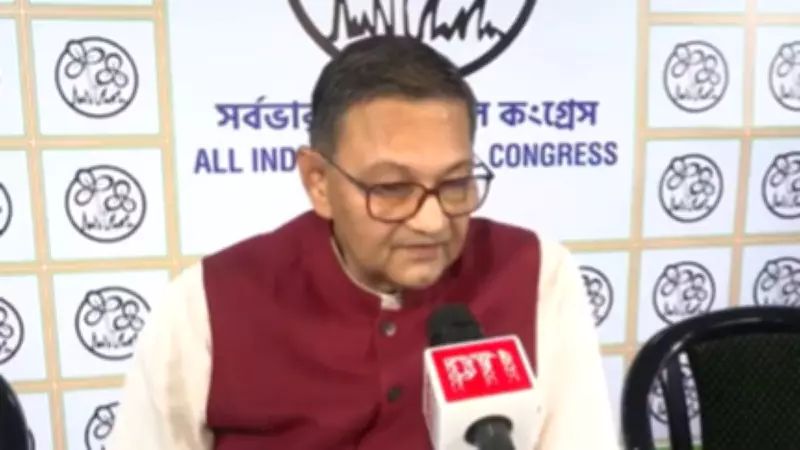
Netaji's Great-Grandson Chandra Kumar Bose Exits BJP, Aligns with TMC in West Bengal
In a significant political development in West Bengal, Chandra Kumar Bose, the great-grandson of iconic freedom fighter Netaji Subhas Chandra Bose, has officially resigned from the Bharatiya Janata Party (BJP) and joined the ruling Trinamool Congress (TMC). This move marks a notable shift in the state's political landscape, as Bose cited the BJP's alleged promotion of divisive politics as the primary reason for his departure.
Bose's Resignation and Accusations Against BJP
Chandra Kumar Bose announced his resignation from the BJP on April 12, 2026, following a period of growing disillusionment with the party's strategies in West Bengal. In his statement, he accused the BJP of engaging in politics that he described as divisive and detrimental to the social harmony of the state. Bose emphasized that his decision was driven by a commitment to uphold the secular and inclusive values championed by his great-grandfather, Netaji Subhas Chandra Bose, who is revered for his role in India's independence movement.
Key points from Bose's accusations include:

- Allegations that the BJP has fostered polarization along communal lines in West Bengal.
- Concerns over the party's approach to governance, which he claims undermines unity.
- A belief that the TMC better represents the progressive and inclusive ideals he associates with Netaji's legacy.
Joining the Trinamool Congress
Immediately after resigning from the BJP, Chandra Kumar Bose formally joined the Trinamool Congress, led by Chief Minister Mamata Banerjee. The TMC welcomed him, highlighting his lineage and potential to strengthen the party's appeal among voters who admire Netaji's contributions to Indian history. Bose expressed optimism about working with the TMC to promote development and social cohesion in West Bengal, aligning with the party's stated goals of inclusive growth and regional pride.
This transition is expected to have implications for the BJP's strategy in West Bengal, where it has been striving to expand its influence in recent years. Bose's move could potentially sway some voters, particularly those who hold Netaji in high regard, and may impact upcoming electoral dynamics in the state.
Political Context and Reactions
The BJP has not yet issued an official response to Bose's resignation and accusations. However, political analysts suggest that this development could be a setback for the party as it seeks to challenge the TMC's dominance in West Bengal. The TMC, on the other hand, has portrayed Bose's joining as a validation of its policies and a boost to its campaign against what it terms as the BJP's divisive tactics.
Chandra Kumar Bose's decision underscores the ongoing political realignments in West Bengal, where issues of identity, heritage, and governance continue to shape voter preferences. As the great-grandson of a national hero, his political choices carry symbolic weight, potentially influencing public perception and party loyalties in the region.






