

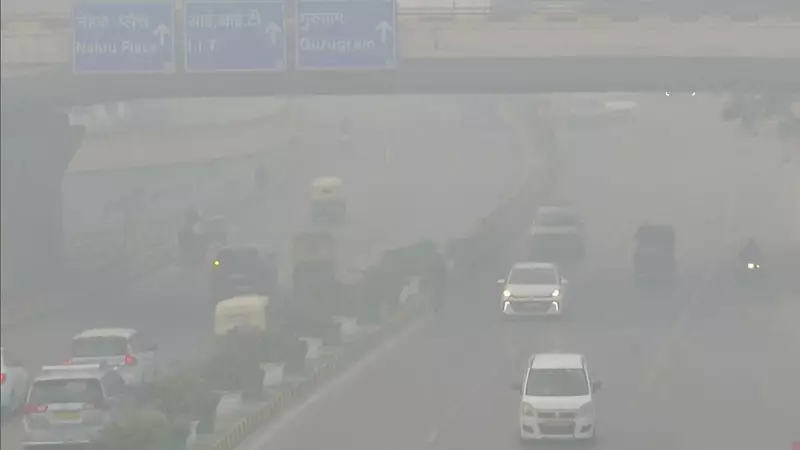
In a decisive move to enhance road safety during the winter season, the Uttar Pradesh Expressway Industrial Development Authority (UPEIDA) has announced a significant revision of speed limits across several major expressways in the state. This action comes as a direct response to a concerning increase in accidents attributed to dense fog and mist, which severely reduce visibility for drivers.
Revised Speed Limits: A Detailed Breakdown
The new regulations, which took effect immediately, will remain enforced until February 15, 2025, or until meteorological conditions show a sustained improvement. The authority has mandated that overspeeding violations be strictly penalized through the Advanced Traffic Management System (ATMS), ensuring automated enforcement of the new caps.
The revised maximum speeds apply to prominent expressways including the Agra-Lucknow, Purvanchal, Bundelkhand, and Gorakhpur Link expressways. The reductions are categorized by vehicle type:

For Passenger Cars (M-1 Category): The standard limit of 120 km/h has been lowered to 80 km/h during daytime (8 AM to 8 PM) and further down to 60 km/h at night (8 PM to 8 AM).
For Buses and Large Passenger Vehicles (M-2 & M-3 Category): These vehicles, normally allowed up to 100 km/h, must now adhere to a maximum of 60 km/h in the day and 50 km/h at night.
For Goods Carriers (N Category): Trucks and other goods vehicles face the strictest cuts. Their usual 80 km/h limit is now 50 km/h during daylight hours and just 40 km/h after dark.
Beyond Speed Limits: Additional Safety Measures
Recognizing that speed control alone is insufficient, UPEIDA has rolled out a multi-pronged strategy to safeguard commuters. Key infrastructural upgrades are being implemented across the expressway network.
This includes the installation of fog lights at all entry and exit points, along with prominent warning signboards urging drivers to maintain controlled speeds in foggy conditions. Furthermore, directives have been issued to increase the density of road reflectors and blinkers, particularly along curves and stretches known for dense fog, often near rivers and water bodies.
Protocol for Extreme Fog Conditions
For situations where visibility drops critically below 560 meters, authorities have devised a specific contingency plan. Security teams patrolling the expressways have been instructed to halt vehicles at the nearest safe location such as toll plazas, wayside amenities, petrol pumps, or restaurants.
These gathered vehicles will then be organized and sent off in a convoy under supervision to ensure safer passage. Officials stated that a formal Standard Operating Procedure (SOP) for this protocol is being prepared by UPEIDA in coordination with the state police.
The comprehensive approach underscores the administration's urgent focus on preventing accidents and saving lives during the challenging winter driving season. Motorists are advised to plan their journeys accordingly, allowing for extra travel time and exercising heightened caution.






