NWKRTC Conducts Pioneering Survey of Accident Zones in Karnataka
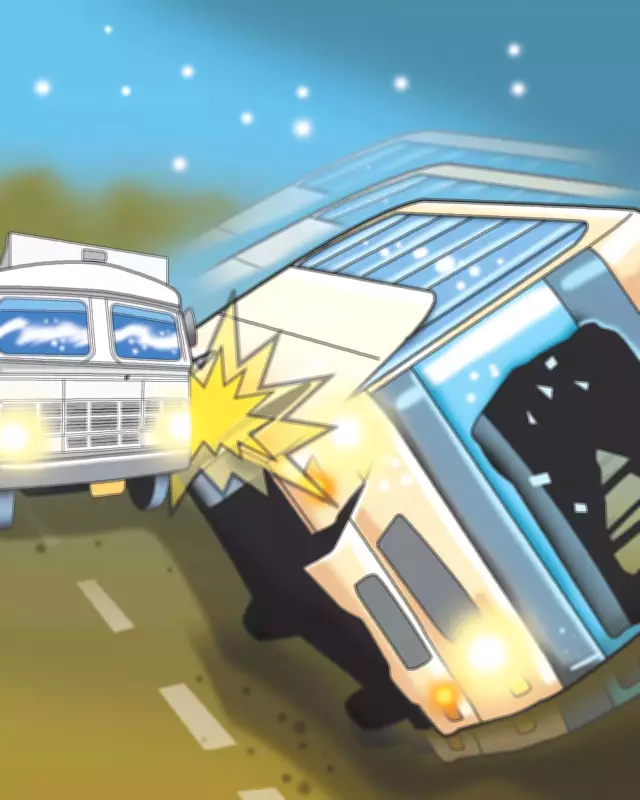
The North West Karnataka Road Transport Corporation (NWKRTC) has completed a groundbreaking survey of accident-prone areas under its nine divisions, marking the first initiative of its kind in the state. The comprehensive study identified a total of 150 accident zones, with Dharwad district emerging as the most critical region.
District-Wise Breakdown of Accident Zones
Dharwad district, which encompasses Hubballi city, Hubballi mofussil, and Dharwad mofussil divisions, accounted for 60 of the identified accident zones. Belagavi district, covering Belagavi and Chikodi divisions, followed closely with 41 zones. NWKRTC has formally submitted a detailed proposal to Public Works Minister Satish Jarkiholi, urging immediate corrective measures to enhance road safety.
Scope and Methodology of the Survey
Priyanga M, Managing Director of NWKRTC in Hubballi, explained that the corporation operates across six districts in the Kittur Karnataka region: Dharwad, Belagavi, Uttar Kannada, Haveri, Gadag, and Bagalkot. The security and vigilance wing was tasked with conducting the survey to pinpoint locations where frequent accidents involving NWKRTC buses and private vehicles occur due to infrastructure deficiencies and inadequate safety measures.

The survey covered a wide range of road types, including national highways, state highways, major district roads, and ordinary district roads, she stated. The proposal recommends implementing various safety enhancements such as installing display boards, railings or barricades, solar lights, evacuating illegal buildings, improving road markings, and constructing bus shelters to protect all road users.
Criticism from Other Road Users
Despite its comprehensive approach, the NWKRTC report has faced criticism from other stakeholders. Shekharayya Mathapati, President of the Hubballi Auto Owners' and Drivers' Association, argued that the survey is incomplete because it focuses exclusively on stretches along bus routes.
There are approximately 17,000 autorickshaws in Hubballi city alone, and the number of private vehicles like cars and two-wheelers is enormously high, Mathapati emphasized. He pointed out that auto drivers and other private vehicle users lack a platform to contribute their insights on accident zones, as the Public Works Department has not engaged them in the identification process.
Mathapati questioned the survey's methodology, asking, How did NWKRTC, which can access only 20-30% of the city's areas, conduct such a survey? He noted that traffic police occasionally consult auto drivers about black spots, but a more inclusive approach is needed.
Calls for a Collaborative Approach
To address these concerns, Mathapati suggested that the District Road Safety Committee should organize meetings with all road users to collectively identify black spots and direct the PWD to take appropriate corrective actions. The government should set aside this report and actively seek opinions from all stakeholders, he urged, advocating for a more democratic and comprehensive strategy to improve road safety across the region.
This survey highlights the urgent need for enhanced road safety measures in Karnataka while underscoring the importance of involving diverse road user groups in future initiatives to ensure all perspectives are considered.