NWKRTC Announces Major Bus Fleet Renewal Strategy
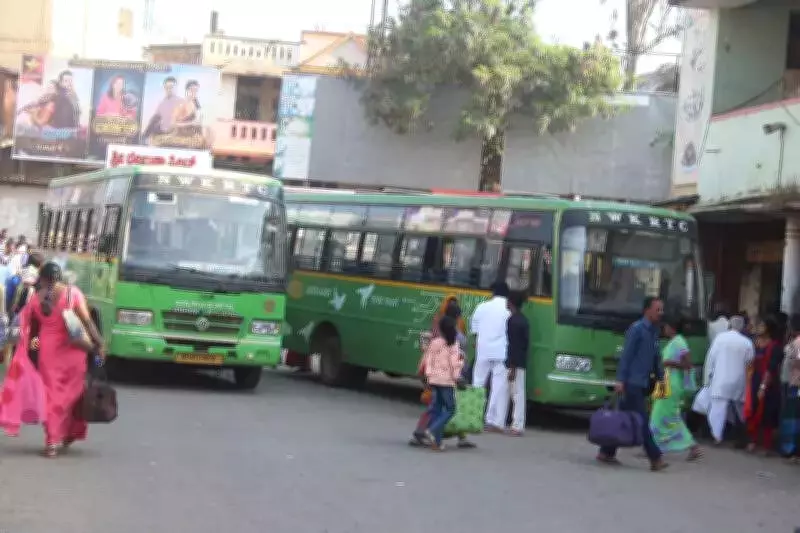
In a significant move to modernize its public transportation network, the North West Karnataka Road Transport Corporation (NWKRTC) has outlined plans to scrap a total of 289 buses by the conclusion of the 2025-26 financial year. Concurrently, the corporation is in the process of inducting 330 new buses to replace the aging fleet, as confirmed by officials in Hubballi.
Impending Challenges with Bus Aging and Increased Demand
The transportation body faces a looming challenge as approximately 500 buses are projected to reach the 15-year operational mark in 2026-27, necessitating their scrapping. This situation poses substantial hurdles for NWKRTC in terms of procuring and deploying additional buses to adequately meet the surging passenger demand, particularly under the state's Shakti scheme.
Officials highlighted that while there is no shortage of buses for passengers traveling to towns located more than 20 kilometers away, a significant deficit exists for those commuting within district headquarters and major taluk centers under the Shakti scheme. Before the implementation of the Shakti scheme, government buses often operated with minimal occupancy, as many commuters preferred private vehicles. However, the landscape has shifted dramatically, with a majority of women passengers now opting for government buses, thereby straining the existing fleet capacity.
Current Progress and Future Requirements
The chassis inspection for the new buses has been successfully completed, and the managing director has issued directives to officials to expedite the supply of these new vehicles to their respective depots. An official disclosed that in the current financial year, 266 buses have already been scrapped as of the end of December, with new buses being progressively inducted to fill the void.
"The corporation still requires more new buses and additional staff to effectively manage operations," officials emphasized. Given the escalating number of passengers utilizing the Shakti scheme, there is an urgent need for expanded resources to ensure seamless service delivery.
Insights from NWKRTC Leadership
Siddeshwar Hebbal, the Chief Mechanical Engineer at NWKRTC, provided detailed insights into the fleet management strategy. "We have meticulously prepared the statistics for buses slated for scrapping this year and in the forthcoming years," Hebbal stated. "The process of adding new buses will be carried out in alignment with these projections. Out of the 330 new buses, 250 have already been supplied to the depots."
Hebbal further elaborated on the timeline, noting that 278 buses are scheduled to be scrapped in 2025-26. Additionally, around 500 buses will complete 15 years of service in 2026-27, and these too will be phased out. "In the coming years, we must prepare to add a large number of new buses to sustain and enhance our service capabilities," he added.
Focus on Rural Routes and Operational Challenges
Officials pointed out that there is a pressing need for more new buses on rural routes to address connectivity gaps. Specifically, routes currently serviced by two buses require at least one additional bus, while those with four buses need a minimum of three more to meet passenger demands effectively.
The corporation identifies its biggest challenge as deploying the requisite number of buses while simultaneously considering the convenience of passengers traveling in and around nearby towns. This balancing act is crucial to maintaining efficient and reliable public transportation services across the region.