

Odisha's Tetra Pack Liquor Policy Ignites Heated Political Confrontation
The decision by the Odisha state government to permit liquor sales in tetra packs has erupted into a significant political controversy, with the opposition Biju Janata Dal (BJD) vehemently condemning the move as unethical and detrimental to youth welfare. The ruling Bharatiya Janata Party (BJP) has firmly rejected these allegations, labeling them hypocritical and asserting that the policy originated under the previous administration.
BJD's Strong Opposition and Demands
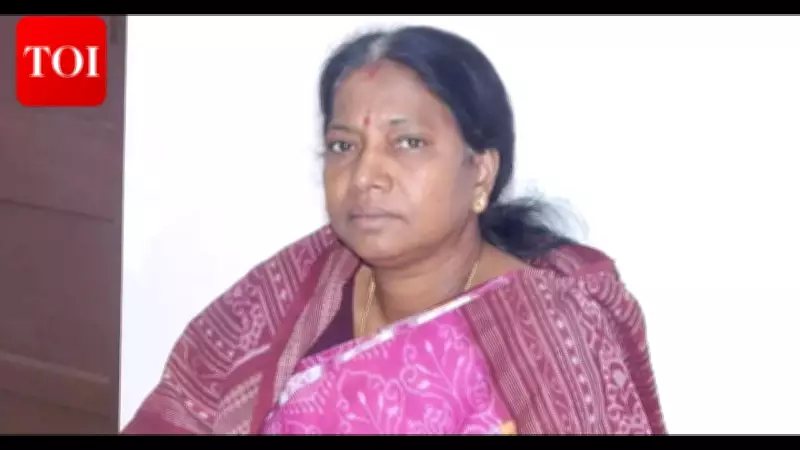
At a press conference held on Monday, opposition chief whip Pramila Mallik demanded the immediate withdrawal of the decision, accusing the BJP of reneging on its election promise to make Odisha liquor-free. Mallik argued that the government is actively encouraging liquor consumption despite its previous anti-liquor campaign rhetoric. She highlighted that excise revenue has surpassed Rs 10,000 crore for the first time, suggesting a contradiction in the government's stance.
The BJD raised multiple objections, including:

- The reopening of 70 liquor shops that were allegedly closed by the previous government.
- The introduction of new liquor varieties such as mahuli, ragi, and odourless liquor.
- The portability of tetra packs, which the party warns could increase accessibility among students and youth, potentially leading to higher consumption rates.
The opposition party has threatened to launch statewide protests if the decision is not reversed, emphasizing its commitment to opposing what it views as a harmful policy shift.
BJP's Defense and Counterarguments
BJP MLA Tankadhar Tripathy countered the BJD's claims by stating that liquor in tetra packs was initially introduced in the 2023-24 excise policy under the BJD government and has simply been continued in the 2024-25 policy. Tripathy pointed out that tetra pack liquor sales occurred during Naveen Patnaik's tenure, questioning why the BJD leadership did not oppose it at that time.
"Now Pramila Mallik is opposing the same policy. Why did she not raise her voice when the Naveen government introduced it?" Tripathy asked, highlighting what he perceives as political inconsistency.
BJP spokesperson Sujit Kumar Das further criticized the BJD's stance, accusing the opposition of presenting misleading numbers and engaging in deceptive practices. "The opposition is welcome to criticize the government in a constructive way; but they are indulging in misleading the people with manufactured facts and false representation," Das stated, defending the government's transparency and policy continuity.
Government Justification and Environmental Considerations
Excise Minister Prithiviraj Harichandan defended the move in the assembly, framing it as part of a modernization effort within the excise department. He argued that tetra packs offer several advantages over traditional glass bottles, including:
- Being more environmentally friendly due to reduced material waste and easier recycling processes.
- Minimizing breakage-related injuries during transportation and handling.
- Simplifying waste management and disposal systems across the state.
Since the policy rollout began in 2023, 180 ml tetra packs, particularly containing rum, have become widely available at retail outlets throughout Odisha. This availability marks a significant shift in how liquor is packaged and sold in the state, reflecting broader trends in packaging innovation within the industry.
The political row underscores deeper tensions between the BJP and BJD regarding governance priorities, youth welfare, and fiscal policies. As both parties prepare for potential protests and further debates, the tetra pack liquor policy remains a focal point of contention, highlighting the complex interplay between economic interests, public health concerns, and political accountability in Odisha.






