OPS Joins DMK: A Strategic Shift in Tamil Nadu's Political Landscape
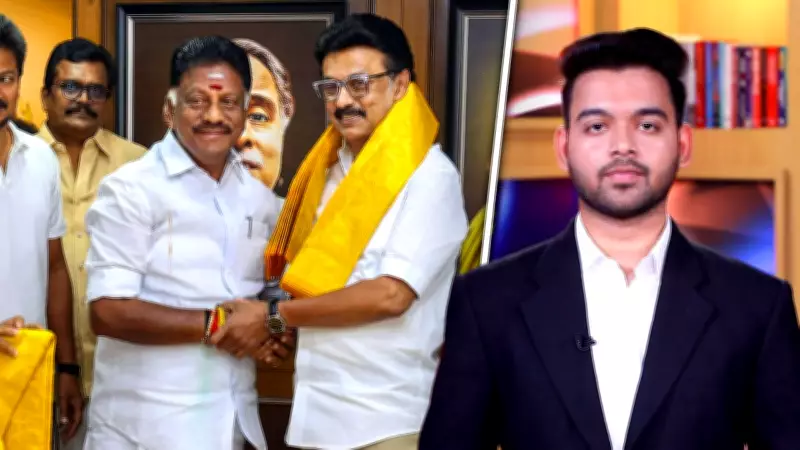
The political arena of Tamil Nadu experienced a seismic transformation on February 27, 2026, when former Chief Minister O Panneerselvam, widely known as OPS, formally aligned himself with the Dravida Munnetra Kazhagam (DMK). This development marks a pivotal moment in the state's electoral dynamics, especially with the 2026 Assembly elections looming on the horizon.
Background and Political Significance of OPS
O Panneerselvam is a seasoned politician with a rich legacy, having served as the Chief Minister of Tamil Nadu on three separate occasions under the All India Anna Dravida Munnetra Kazhagam (AIADMK) banner. His political career spans decades, during which he has cultivated a steadfast and loyal support base, particularly in the southern districts of the state. Key strongholds include Theni, Bodinayakkanur, and Andipatti, where his influence remains substantial and deeply rooted.
Implications for the 2026 Assembly Elections
The entry of OPS into the DMK fold is poised to significantly bolster the party's organizational strength and electoral prospects. Analysts suggest that this move could serve as a strategic masterstroke, potentially weakening the opposition's cohesion. Specifically, it raises critical questions about the stability of the alliance between the AIADMK and the Bharatiya Janata Party (BJP), as internal rifts may surface in response to this high-profile defection.
Even if OPS does not directly secure seats in the upcoming elections, his presence within the DMK is expected to have a profound impact on voter behavior. It could lead to a fragmentation of opposition votes in crucial constituencies, forcing rival parties to reassess their campaign strategies and alliance formations. The so-called "OPS factor" introduces a new and unpredictable dimension to the electoral calculus, making the 2026 polls one of the most closely watched contests in recent Tamil Nadu history.
Reactions from Opposition Leaders
The decision has not gone unnoticed by opposition figures, who have voiced strong criticism. BJP leader Vanathi Srinivasan and AIADMK spokesperson Kovai Sathyan have been particularly vocal, condemning the move on grounds of loyalty, ideological consistency, and the broader issues of dynastic politics that often plague Indian political landscapes. Their responses highlight the deepening fissures within the opposition camp, which could further complicate their electoral preparations.
Broader Political Ramifications
This development underscores the fluid and often unpredictable nature of Tamil Nadu politics, where allegiances can shift rapidly in response to strategic calculations. The DMK's acquisition of OPS not only enhances its southern outreach but also signals a potential realignment of political forces in the state. As parties gear up for the 2026 elections, this move will likely influence:
- Voter sentiment and turnout in key regions
- The formation and stability of political alliances
- Campaign narratives focusing on leadership and governance
- Long-term strategies for party growth and consolidation
In summary, O Panneerselvam's transition to the DMK is more than just a personal political journey; it is a strategic maneuver that could reshape the contours of Tamil Nadu's political future. As the state approaches the 2026 Assembly elections, all eyes will be on how this high-profile development unfolds and influences the ultimate outcome at the ballot box.