Oussudu Assembly Election 2026: A Deep Dive into the Puducherry Constituency
As the 2026 Assembly elections in Puducherry approach, political attention is increasingly focusing on the Oussudu constituency. This key electoral battleground has a rich history of competitive politics, with past results often reflecting broader trends in the Union Territory. In this detailed profile, we examine the constituency's characteristics, analyze previous winners and their victory margins, and explore the potential party-wise candidates who could shape the upcoming contest.
Constituency Profile and Political Significance
Oussudu is one of the significant Assembly constituencies in Puducherry, known for its diverse voter demographics and strategic importance in regional politics. The constituency encompasses areas that include both urban and semi-urban populations, creating a complex electoral landscape where local issues often intersect with broader political narratives. Historically, Oussudu has been a bellwether seat, with election outcomes here frequently mirroring the overall political mood in Puducherry.
The constituency's name derives from the Oussudu Lake region, an important ecological and cultural landmark. This geographical connection often influences local campaigning, with candidates addressing environmental concerns alongside traditional development agendas. As part of Puducherry's 30-member Legislative Assembly, Oussudu's single seat carries disproportionate weight in coalition mathematics, making it a priority for all major political parties.

Past Winners and Victory Margins Analysis
Examining the electoral history of Oussudu reveals a pattern of competitive contests with fluctuating victory margins. In the most recent Assembly elections, the constituency witnessed a closely fought battle that reflected the broader political realignment occurring across Puducherry. The winning candidate secured victory with a margin that, while comfortable, indicated the presence of a strong opposition challenge.
Previous elections have seen representation from multiple political parties, demonstrating the constituency's non-aligned character. The victory margins have varied significantly over different election cycles, ranging from narrow wins of just a few hundred votes to more decisive mandates exceeding several thousand votes. This volatility suggests that Oussudu remains a genuinely contested seat where campaign efforts and local connect can dramatically influence outcomes.
Notably, the constituency has alternated between regional parties and national parties at different times, though in recent years, national parties have established stronger footholds. The historical data shows that incumbency advantage is not guaranteed here, with sitting MLAs frequently facing tough re-election battles.
Party-Wise Candidates and 2026 Projections
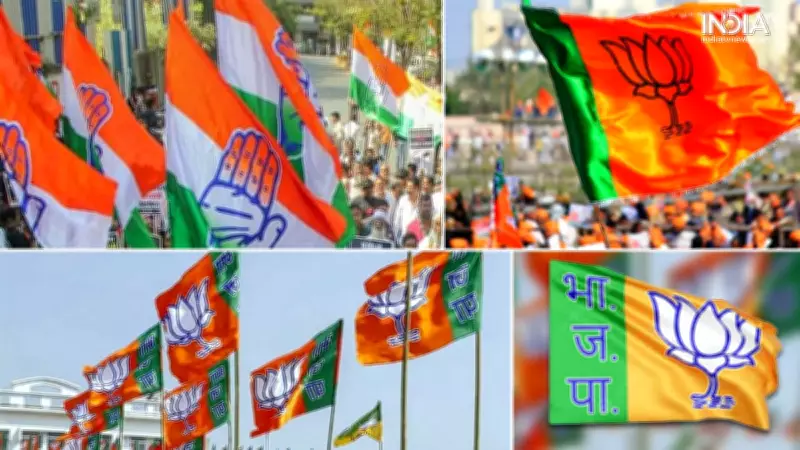
As political preparations intensify for the 2026 elections, all major parties are carefully evaluating their candidate options for Oussudu. The Bharatiya Janata Party (BJP), which has been expanding its presence in Puducherry, is expected to field a strong candidate who can consolidate its growing support base. The party's strategy likely involves selecting someone with both local credibility and the ability to connect with the constituency's diverse communities.
The Indian National Congress, traditionally strong in the region, faces the challenge of defending its position while addressing anti-incumbency sentiments that may have developed. The party's candidate selection will be crucial, with options including experienced local leaders or fresh faces that can rejuvenate its campaign. Regional parties and independent candidates also remain relevant factors, often playing spoiler roles in closely contested elections.
Other political formations, including Dravidian parties and local alliances, are similarly engaged in candidate deliberations. The final candidate lists, expected to be finalized closer to the election date, will reveal each party's assessment of Oussudu's political dynamics and their corresponding strategic calculations.

Key Issues and Campaign Focus Areas
The 2026 election campaign in Oussudu is likely to revolve around several pressing local concerns alongside broader political narratives. Infrastructure development, particularly related to water management given the constituency's connection to Oussudu Lake, will be a significant talking point. Candidates are expected to propose concrete plans for environmental conservation while addressing the region's development needs.
Employment generation, especially for youth, healthcare accessibility, and educational facilities will form other core campaign pillars. Given Puducherry's unique status as a Union Territory, issues related to administrative autonomy and central government support will also feature prominently in political discourse. The performance of the incumbent government on these various fronts will inevitably shape voter sentiment as election day approaches.
Additionally, caste and community dynamics, always influential in Indian elections, will play their part in Oussudu's political calculus. Successful candidates will need to craft messages that resonate across different social groups while maintaining coherent policy positions on substantive governance matters.
Electoral Mathematics and Strategic Considerations
From a strategic perspective, Oussudu presents interesting arithmetic challenges for political parties. The constituency's voter composition requires careful coalition building and micro-level campaigning. Parties will need to balance their traditional support bases with outreach to floating voters who have demonstrated willingness to switch allegiances based on candidate quality and local issues.
The margin of victory in previous elections suggests that even small shifts in voter preference can dramatically alter outcomes. This reality makes grassroots campaigning particularly important, with door-to-door outreach, local issue resolution, and community engagement likely to be emphasized over purely symbolic or national-level campaigning.
As the 2026 elections draw nearer, Oussudu will undoubtedly emerge as one of Puducherry's most closely watched constituencies. Its electoral outcome may well provide early indications about the broader political direction the Union Territory will take in the coming years.