A total of 15,931 candidates are set to contest the upcoming elections for 29 municipal corporations across Maharashtra, scheduled for January 15, 2026. This final list emerged after a significant wave of nomination withdrawals, which played a crucial role in shaping the electoral battlefield.
Nomination Withdrawals Shape Final Contest
The State Election Commission (SEC) data reveals a dramatic churn in candidate numbers. Initially, 33,427 nominations were received for the polls. After scrutiny, 24,771 applications were found valid. However, in a decisive turn, 8,840 candidates, representing over 35% of the valid applicants, chose to withdraw their nominations before the final deadline.
The SEC released this comprehensive data following questions from the opposition regarding delays in information dissemination. Political analysts suggest the high withdrawal rate is due to pressure from senior party leaders and last-minute tactical alliances formed ahead of the polls.
Regional Breakdown: Nashik Tops Withdrawals, BMC Biggest Arena
The impact of withdrawals varied significantly across regions. Nashik district recorded the highest number of withdrawals at 661, followed closely by Chhatrapati Sambhajinagar (552) and Solapur (532). In contrast, Panvel witnessed the lowest number of withdrawals, with just 88 candidates stepping back.
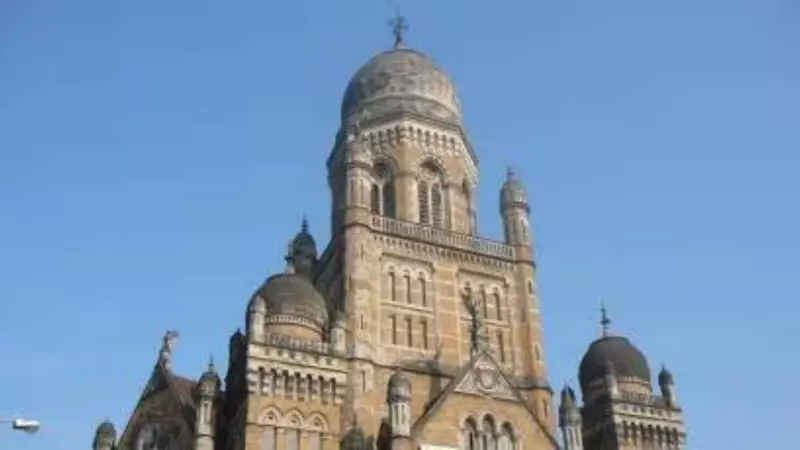
When it comes to the scale of the contest, the Brihanmumbai Municipal Corporation (BMC) stands as the largest battleground. It will see 1,700 final candidates competing for its 227 seats. Other major urban centers like Pune and Nashik are also witnessing intense competition.
On the other end of the spectrum, Ichalkaranji will host the smallest contest by volume, with 230 candidates in the race for 65 seats.
Competition Intensity: Mumbai and Sambhajinagar Lead
The SEC data allows for an analysis of competition intensity across the state's urban local bodies. Across all 29 corporations, there are 2,869 seats for 15,931 candidates, resulting in an overall average of roughly 5.55 candidates per seat.
Mumbai (BMC) and Chhatrapati Sambhajinagar lead the state in contest density, with over 7 candidates vying for each available seat. This high number often indicates a significant presence of independent challengers alongside party nominees.
Areas like Ichalkaranji and Dhule represent the lower end of the intensity scale, with an average of approximately 3.5 candidates per seat. The data from Pune illustrates strategic maneuvering: of 3,061 nominations filed, 2,134 were valid, but 968 candidates subsequently withdrew, refining the final candidate list.
With the final list now official, all eyes are on the campaign trail as Maharashtra prepares for a large-scale civic election that will shape urban governance across the state.