A recent report has exposed a shocking state of financial inertia in Haryana, revealing that a massive portion of funds earmarked for crucial district-level development projects remains untouched. The Comptroller and Auditor General of India (CAG) flagged this critical issue, pointing to severe lapses in planning and expenditure that are directly impacting grassroots development.
Audit Exposes Massive Underutilization of Development Money
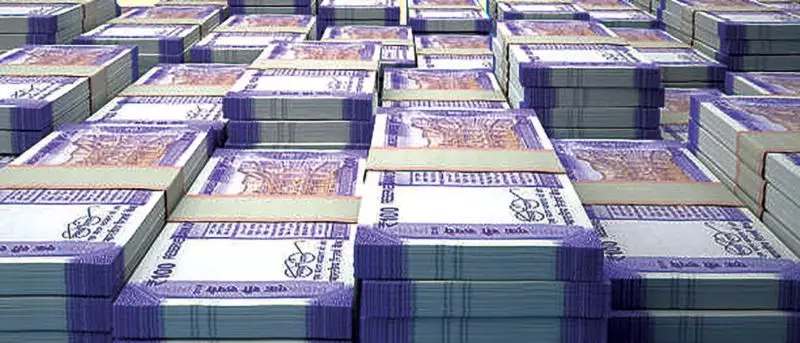
The CAG report, which scrutinized the state's finances for the year ending March 31, 2023, presented a grim picture. It found that a whopping over 80% of the funds allocated under the State Annual District Plan had not been spent. The total allocation for the year stood at Rs 5,000 crore. However, by the end of the fiscal year, only Rs 973.80 crore had been utilized. This means a staggering Rs 4,026.20 crore meant for public welfare and infrastructure projects was left idle.
This isn't an isolated incident but part of a persistent trend of poor fund utilization. The audit observed that the unspent balance has been consistently increasing over the years. The report specifically noted that out of 22 districts in Haryana, 21 failed to spend even half of their allocated funds. This systemic failure across almost the entire state highlights a deep-rooted problem in the administrative machinery responsible for executing development works.

Root Causes: Poor Planning and Administrative Delays
The CAG audit pinpointed several key reasons behind this colossal under-spending. A primary cause identified was inadequate planning at the district level. Many District Planning Committees (DPCs) failed to prepare and approve their annual plans on time. The report stated that for the year 2022-23, only 8 out of 22 districts had their plans approved by the stipulated deadline of April 30, 2022.
Furthermore, the plans that were eventually formulated were often of poor quality. The CAG found that many districts simply copied schemes from previous years without proper assessment of current needs or ground realities. This lack of foresight and tailored planning led to delays in initiating projects from the very outset. Administrative bottlenecks, including slow tender processes and delays in administrative approvals, further compounded the problem, ensuring that funds remained locked in state coffers instead of being deployed for public benefit.
Consequences for Development and Fiscal Health
The implications of this financial paralysis are severe. First and foremost, critical development work at the district level suffers. Projects related to rural infrastructure, sanitation, local roads, schools, and healthcare facilities are stalled, directly affecting the quality of life for Haryana's citizens. The state's inability to spend its own planned budget reflects poorly on its governance and project implementation capabilities.
From a fiscal perspective, this represents a significant waste of allocated resources. It disrupts the state's budget cycle and hampers effective financial management. The CAG has recommended that the state government take urgent corrective measures. These include ensuring timely preparation and approval of district plans, strengthening monitoring mechanisms, and fixing accountability for departments and officers who fail to utilize the funds. The report serves as a stark reminder that allocating funds is only the first step; effective and timely execution is what truly drives development.