Palasbari Assembly Election 2026: A Detailed Constituency Profile
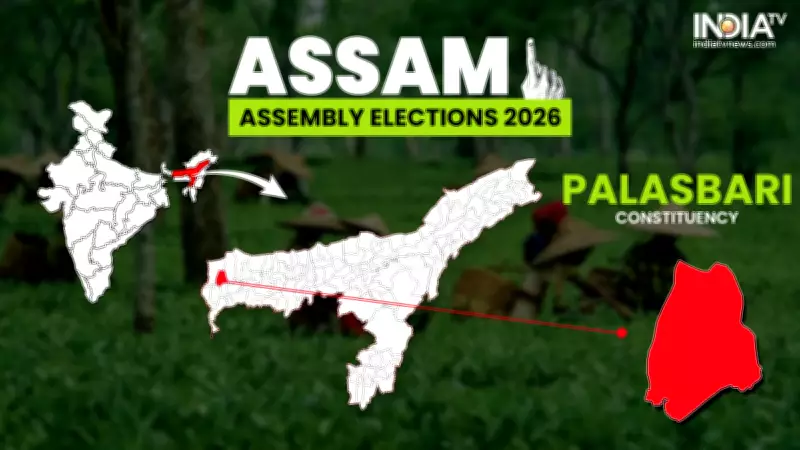
As the 2026 Assam Legislative Assembly elections approach, the Palasbari constituency emerges as a key battleground in the state's political landscape. Located in the Kamrup district, this assembly segment has witnessed dynamic electoral shifts over the years, making it a focal point for political analysts and parties alike. This article provides an in-depth analysis of Palasbari, covering its historical performance, past winners, vote margins, and anticipated candidates for the upcoming polls.
Constituency Overview and Demographics
Palasbari is an assembly constituency in Assam, part of the Gauhati Lok Sabha constituency. It encompasses a mix of urban and rural areas, with a diverse population engaged in agriculture, small-scale industries, and services. The demographic composition includes various communities, influencing voting patterns and political strategies. Historically, Palasbari has been a competitive seat, with no single party dominating consistently, reflecting the broader political volatility in Assam.
Past Winners and Electoral History
In recent elections, Palasbari has seen victories from multiple parties, highlighting its unpredictable nature. For instance, in the 2021 Assam Assembly elections, the Bharatiya Janata Party (BJP) candidate won the seat, marking a significant shift from previous results. Earlier, the Indian National Congress and regional parties like the Asom Gana Parishad (AGP) have also secured wins here. The constituency's electoral history shows close contests, with vote margins often being narrow, underscoring the importance of grassroots campaigning and local issues.

Key past winners include:
- 2021: BJP candidate with a margin of approximately 5,000 votes.
- 2016: Congress candidate, winning by a slim margin of around 3,000 votes.
- 2011: AGP candidate, securing victory with a moderate lead.
These results indicate a trend of alternating party loyalties, driven by factors such as development promises, regional sentiments, and national political waves.
Vote Margins and Political Trends
The vote margins in Palasbari have generally been tight, rarely exceeding 10,000 votes, which emphasizes the constituency's competitive edge. In the 2021 election, the BJP's win was attributed to a strong organizational network and alignment with national issues, while previous Congress victories often relied on local leadership and welfare schemes. The AGP's success in the past was linked to its regional appeal and focus on Assamese identity. As 2026 nears, parties are likely to leverage these historical trends, with margins expected to remain close due to the electorate's divided preferences.
Anticipated Party-Wise Candidates for 2026
For the 2026 elections, major political parties are gearing up with strategic candidate selections. The BJP is expected to field a sitting MLA or a prominent local leader to consolidate its gains, while the Congress might nominate a fresh face to rejuvenate its base. Regional parties like AGP and new entrants such as the Assam Jatiya Parishad (AJP) could also put forward strong contenders, aiming to capitalize on anti-incumbency or specific community issues. Independent candidates may play a spoiler role, given the constituency's history of multi-cornered fights.
Potential candidates include:
- BJP: Likely to renominate the current MLA or a high-profile local figure.
- Congress: May select a youth leader or an experienced politician from the region.
- AGP: Could field a candidate with strong grassroots connections.
- AJP: Might introduce a candidate focusing on regional autonomy and development.
These selections will be crucial in shaping the electoral outcome, as Palasbari's voters are known to respond to candidate credibility and party manifestos.

Key Issues and Voter Sentiments
In Palasbari, key issues influencing voter decisions include infrastructure development, employment opportunities, agricultural support, and cultural preservation. The constituency has faced challenges such as flood management and connectivity, which parties often highlight in their campaigns. Additionally, national policies like the Citizenship Amendment Act (CAA) and state-level initiatives on education and healthcare are likely to impact voter sentiments. As the 2026 election approaches, parties must address these local concerns while aligning with broader political narratives to secure victory.
Overall, the Palasbari Assembly constituency is set for a fiercely contested election in 2026, with its historical data and current dynamics pointing towards a close race. Stakeholders will closely monitor candidate announcements and campaign strategies in the coming months.