

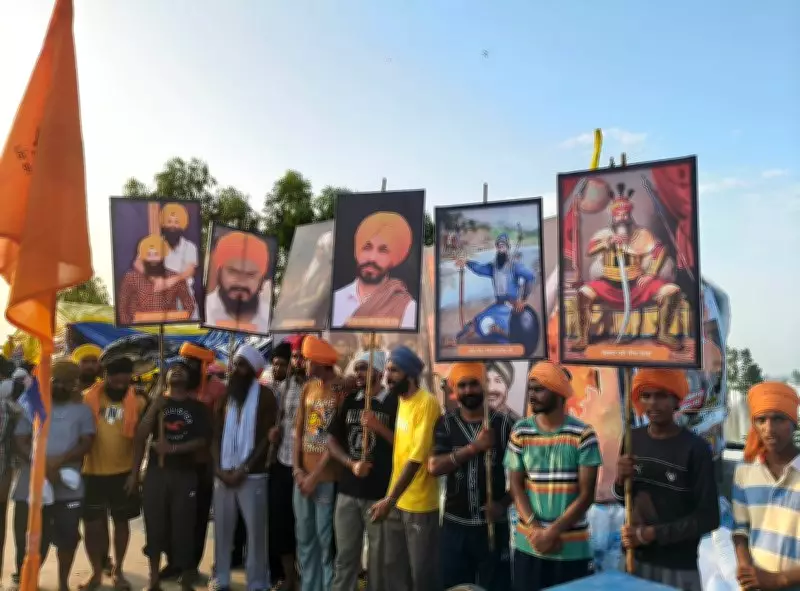
The recent push for Panthic Ekta, or Sikh unity, has intensified the political landscape in Punjab, raising both stakes and questions across the spectrum. This movement, aimed at consolidating Sikh political forces, is seen as a strategic maneuver to counter the dominance of the Aam Aadmi Party (AAP) and the Congress in the state.
Background and Context
Panthic Ekta refers to the unification of various Sikh political and religious factions under a common banner. Historically, the Shiromani Akali Dal (SAD) has been the primary political representative of the Sikh community, but internal divisions and the rise of new players have fragmented this base. The current push is being led by certain factions within the SAD and other Sikh organizations, seeking to revive the collective voice of the Panth.
Key Drivers of the Movement
- Electoral Calculus: With the AAP and Congress making inroads into traditional Sikh strongholds, Panthic leaders see unity as essential to regain lost ground.
- Religious Sentiment: Issues like the sacrilege of the Guru Granth Sahib and the 2015 Kotkapura firing have galvanized Sikh sentiment, creating a demand for a united political front.
- Leadership Dynamics: The absence of a charismatic leader like Parkash Singh Badal has left a vacuum, prompting various factions to seek consolidation.
Political Implications
The push for Panthic Ekta has significant implications for Punjab's political future. It could potentially challenge the ruling AAP, which won the 2022 assembly elections by appealing to a broad cross-section of voters, including Sikhs. However, critics argue that such unity may alienate non-Sikh communities and undermine the secular fabric of the state.

Questions Raised
- Will Panthic Ekta truly unite all Sikh factions? Historical rivalries and personal ambitions may hinder genuine unification.
- How will other parties respond? The Congress and AAP are likely to frame the movement as divisive, while the BJP may seek to exploit any fault lines.
- What about governance? A focus on religious identity could divert attention from pressing issues like unemployment, debt, and drug abuse.
Reactions from Key Players
Shiromani Akali Dal president Sukhbir Singh Badal has welcomed the initiative, calling it a step towards strengthening the Sikh community. However, dissident factions within the party remain skeptical. The AAP has dismissed the move as a desperate attempt by old guards to stay relevant, while the Congress has urged caution, warning against communal polarization.
Public Sentiment
Among the Sikh masses, there is a mix of hope and skepticism. Many believe that a united Panthic voice can better address issues of religious freedom and minority rights. Others fear that it may lead to a narrow political agenda that ignores the needs of other communities.
As the movement gains momentum, all eyes are on the upcoming local body elections in Punjab, which will serve as a litmus test for the appeal of Panthic Ekta. The outcome could reshape not just Sikh politics but the entire political spectrum in the state.






