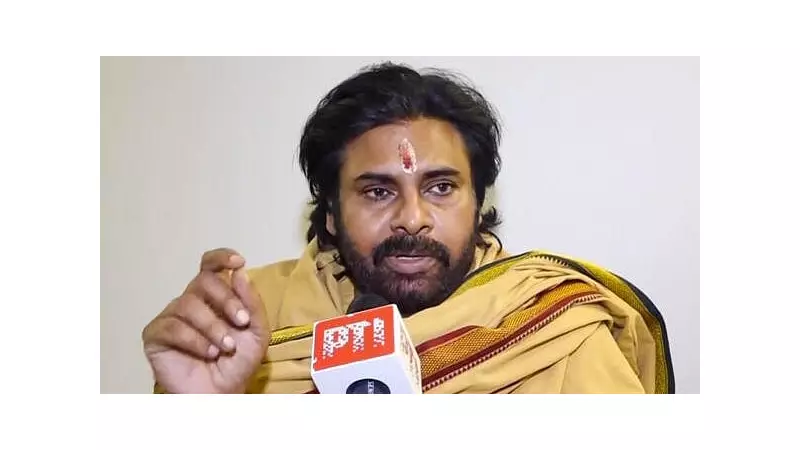
Andhra Pradesh's Deputy Chief Minister, Pawan Kalyan, has ignited a significant political and religious controversy with his remarks concerning the sacred Karthigai Deepam at the Thiruparankundram temple in Tamil Nadu. The Janasena Party chief alleged that the revered lamp was "stolen," a statement that has drawn sharp criticism and sparked a heated debate.
Kalyan's Controversial Allegation and Comparative Remarks
While addressing a public gathering, Pawan Kalyan delved into the longstanding Thiruparankundram row, which involves a dispute over ritual rights and temple management. The focal point of his comments was the Karthigai Deepam, a lamp of immense religious significance lit during the Karthigai Deepam festival. Kalyan asserted that this sacred object was effectively "stolen" from its rightful place, framing it as an issue of faith and heritage.
Further fueling the controversy, the Deputy CM extended his argument to make a comparative observation about religious communities. He stated that religions originating from Arabian backgrounds often overcome ethnic, regional, and linguistic differences for the sake of their faith, implying a contrast in solidarity. These comments, made on December 5, 2025, were quickly disseminated, with journalist SNV Sudhir reporting on the developments.
Immediate Backlash and Political Fallout
The reaction to Pawan Kalyan's statements was swift and severe. Political opponents and social commentators in both Tamil Nadu and Andhra Pradesh accused him of making inflammatory remarks that could disturb communal harmony. Critics argued that his characterization of the Deepam as "stolen" oversimplified a complex historical and administrative issue and was needlessly provocative.
The remarks have placed the spotlight back on the sensitive Thiruparankundram temple dispute, potentially straining the political rapport between the two neighboring states. As a key figure in the Andhra Pradesh government and a leader with a substantial following, Kalyan's words carry considerable weight, making this incident a significant political flashpoint.
Broader Implications and the Path Ahead
This episode underscores the delicate intersection of religion, politics, and regional sentiment in South India. The controversy raises several critical questions:
- The responsibility of elected leaders in making statements on sensitive historical and religious matters.
- The potential impact on inter-state relations and social cohesion.
- The ongoing challenge of managing temple rituals and authorities where multiple communities have deep-rooted stakes.
As the news develops, all eyes are on how Pawan Kalyan and his party will navigate the backlash and whether any clarifications or dialing back of statements will be offered. The incident serves as a potent reminder of how quickly comments from high-profile leaders can escalate into major controversies with far-reaching consequences.