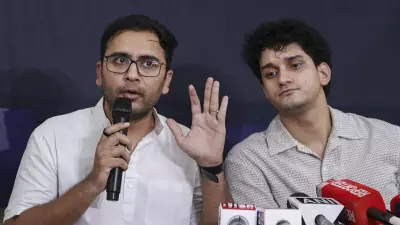
Tensions within the Congress party's Phillaur unit have spilled into the open, with a significant number of workers publicly demanding the removal of their local MLA, Vikramjit Singh Chaudhary. The simmering discontent came to a head during a recent party meeting, highlighting a deepening internal rift that threatens to weaken the party's position in the constituency.
Workers Voice Grievances Against MLA
During a meeting convened by the District Congress Committee (DCC) president for Jalandhar (Rural), a large group of party workers expressed strong opposition to the leadership of MLA Vikramjit Singh Chaudhary. The workers were unequivocal in their demands, calling for his immediate removal from the position of constituency incharge. Their primary grievance centers on allegations of neglect, with workers claiming the MLA has failed to address their concerns and connect with the grassroots base since his election.
The protesters went a step further, urging the party's high command to deny Chaudhary the Congress ticket for the next Assembly elections scheduled for 2027. This bold move signals a severe breakdown in trust between the elected representative and the party's core workforce in Phillaur.

The Core of the Conflict
The conflict appears to be rooted in the MLA's perceived style of functioning. Party workers have accused Vikramjit Singh Chaudhary of operating in isolation, without consulting or involving the local party cadre in decision-making processes. This has led to widespread frustration among those who campaigned for his victory.
Key figures leading the dissent include former municipal council president Rajinder Singh and block president Gurmeet Singh. Their active participation indicates that the dissatisfaction is not limited to a few individuals but is shared by established leaders within the constituency's organizational structure. The workers have warned that if their concerns are ignored, it could significantly damage the party's prospects in the upcoming Lok Sabha elections and beyond.
Implications for Congress in Punjab
This public airing of grievances in Phillaur is more than a local squabble; it reflects the broader challenges facing the Congress party in Punjab. Internal factionalism and disputes between elected MLAs and party workers can erode the organizational strength needed to combat rival political forces.
The situation places the Punjab Congress leadership, including the Pradesh Congress Committee (PPC) chief, in a difficult position. They must now mediate the dispute carefully to prevent a full-blown rebellion that could split the vote bank in Phillaur. The party's ability to manage this rift will be a test of its internal democracy and cohesion ahead of crucial national and state elections.
If the demands of the workers are not addressed satisfactorily, it could lead to further protests, a loss of morale among cadre, and potentially, defections to other parties. The Phillaur episode serves as a stark reminder that electoral success must be coupled with consistent engagement and respect for the party's grassroots workers to maintain long-term political health.