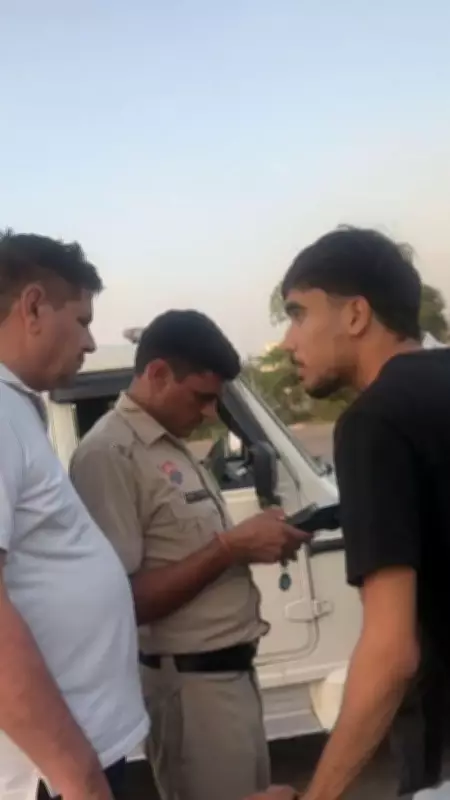
In a dramatic incident in Haryana, a Sub-Divisional Police Officer (SHO) in plainclothes impounded a motorcycle that was being ridden without a number plate. The action led to a tense confrontation as the young rider questioned the officer's authority and the legality of the seizure.
Incident Details
The incident occurred in the city of Ambala, where the SHO, identified as Rajesh Kumar, was patrolling in civilian attire. He spotted a motorcycle without a registration plate and stopped the rider. When the rider, a local youth named Ravi, asked for identification, the officer showed his badge and proceeded to impound the vehicle. Ravi argued that the officer should be in uniform and that the seizure might be illegal without proper documentation.
Legal and Procedural Questions
The confrontation highlights the legal nuances regarding police powers. Under the Motor Vehicles Act, riding a vehicle without a number plate is an offense, and police can impound such vehicles. However, the procedure requires officers to be in uniform or produce valid identification. The youth's challenge raises questions about the conduct of plainclothes officers in traffic enforcement.

Police Response
The Haryana Police have defended the SHO's actions, stating that plainclothes officers are authorized to enforce traffic laws, especially when dealing with violations like missing number plates, which are often linked to criminal activities. A senior police official said, "The officer acted within his rights. The youth was violating the law, and the impoundment was justified."
Public Reaction
The incident has sparked debate on social media, with some supporting the youth's right to question authority, while others emphasize the need to follow traffic rules. Many have called for clearer guidelines on the role of plainclothes officers in traffic enforcement.
The bike remains impounded, and the youth has been asked to produce documents to claim it. Further investigation is underway.