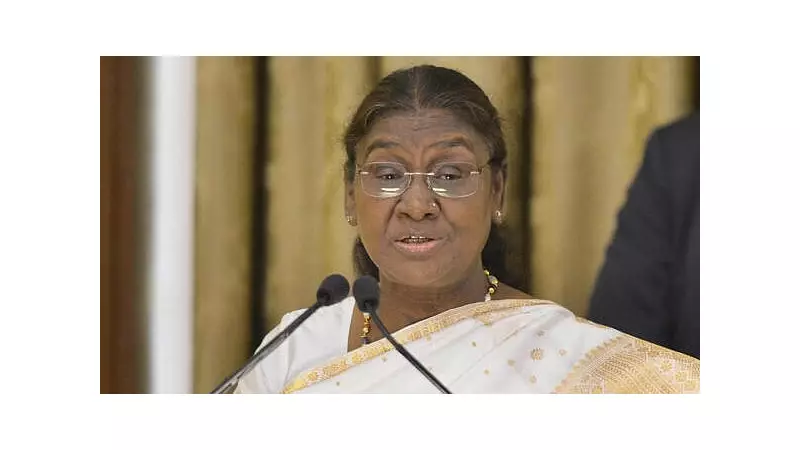
In a significant development concerning the administration of higher education in West Bengal, President Droupadi Murmu has declined to give her assent to a set of Bills passed by the state assembly. These Bills aimed to strip the Governor of the constitutional post of chancellor of state-aided universities and hand over the responsibility to the Chief Minister.
The Presidential Decision and Its Background
The Bills in question were passed by the West Bengal Legislative Assembly in June 2025. Their core objective was to replace the Governor, currently C V Ananda Bose, with the Chief Minister, Mamata Banerjee, as the chancellor of all state-aided universities. This move was seen as a major attempt by the state government to gain direct control over the appointment of vice-chancellors and the general governance of higher education institutions.
However, the proposed legislative changes required the approval of the President of India to become law. After careful consideration, President Droupadi Murmu has decided to withhold her assent. This means the Bills will not be enacted, and the existing arrangement, where the Governor serves as the chancellor, will continue.

Implications for West Bengal's Universities
The President's refusal has immediate and clear consequences. C V Ananda Bose will remain the head of the state-aided universities. This decision underscores the constitutional position of the Governor in the administrative framework of state universities. It is a setback for the state government's plan to centralize the chancellorship under the elected political leadership.
This development is the latest chapter in an ongoing tussle between the Raj Bhavan (Governor's office) and the state government over control of university appointments and affairs. The state government had argued that making the Chief Minister the chancellor would ensure greater accountability and alignment with state education policies.
Constitutional Standoff and Future Course
The President's decision highlights a classic center-state dynamic. Governors are appointed by the President and act as representatives of the central government in the states. The role of chancellor, though largely ceremonial in day-to-day academic matters, holds significant power in key appointments. The rejection of the Bills reinforces this constitutional design.
For now, the status quo prevails. The West Bengal government may need to explore other legal or administrative avenues if it wishes to pursue its objective of changing the chancellorship structure. This event is sure to fuel further political debate on the limits of state autonomy in education governance versus the oversight role of a centrally appointed Governor.