

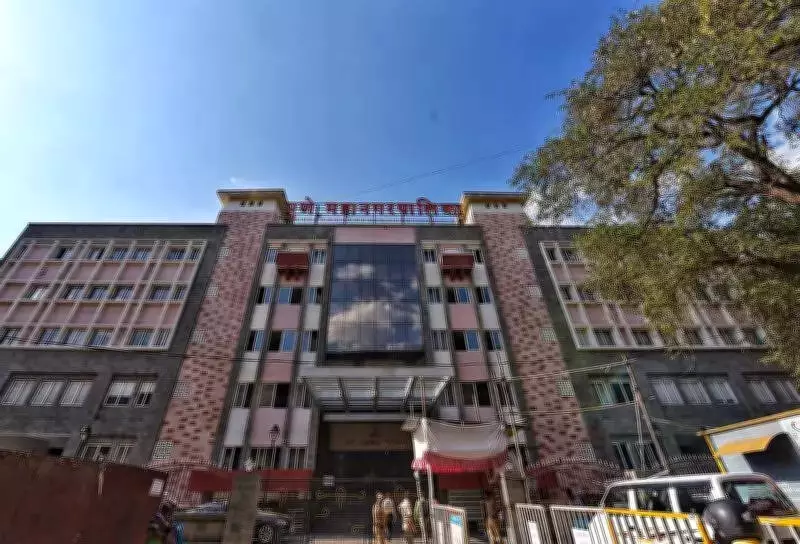
Pune Municipal Corporation Sees Intense Lobbying for Committee Positions
With the mayor and deputy mayor of the Pune Municipal Corporation now officially in place, a new political scramble has begun. Corporators across party lines are actively eyeing coveted posts on several influential committees, including the standing committee, law committee, sports committee, and the women and child welfare committee. The elections for these positions are scheduled to take place this Friday, marking a critical phase in the city's administrative setup.
Committee Structure and Party Dynamics
Civic officials have clarified that each committee within the PMC can accommodate up to 16 members, which includes the chairman. Collectively, all political parties have the opportunity to assign these roles to approximately 100 of the total 165 corporators across the various panels. This allocation process is expected to be highly competitive, reflecting the strategic importance of these committees in local governance.
In the coming days, the selection of co-opted or nominated members to the general body is also anticipated. The Bharatiya Janata Party, which holds a strong majority with 119 corporators, is entitled to co-opt seven members. Meanwhile, the Nationalist Congress Party can induct two members, and the Congress party can bring in one member, respectively.

Backdoor Entry Aspirations and Party Policies
Many of the hopefuls vying for these nominated positions are individuals who were unable to contest the January 15 election. Additionally, chairpersons of various party wings and former corporators are actively lobbying for what is often termed a 'backdoor entry' into the municipal house.
Chandrakant Patil, a cabinet minister and prominent BJP politician, stated that the party has finalized specific rules for the selection of co-opted members, and these guidelines will be strictly adhered to. He emphasized, "The candidates who received party tickets but could not win the poll will not be entertained." This policy aims to ensure fairness and merit in the selection process.
Each nominated member will serve a term of two and a half years. According to Patil, this system allows for 14 party workers to gain the opportunity to be part of the municipal house over the next five years, providing a pathway for dedicated individuals to contribute to civic administration.
Opposition and Administrative Perspectives
Nilesh Nikam, the leader of the opposition from the NCP, mentioned that his party has solicited names for nominated members from aspirants. "A list will be sent to the party office, and names will be finalized after due diligence," he explained, highlighting a methodical approach to the selection.
BJP office-bearers have indicated that the party, which previously took a policy decision not to grant tickets to relatives of MLAs and MPs, may extend this rule to co-opted members as well. This move is seen as an effort to maintain transparency and avoid nepotism in municipal appointments.
Ward-Level Nominations and Legal Framework
PMC officials have noted that alongside the co-opted corporators at the general body level, members are also nominated at the ward level. These individuals will become part of the ward committee and work collaboratively with elected corporators to address local issues.
The Maharashtra Municipal Corporation Act provides clear guidelines for these nominations. It states that nominated members "are selected amongst the members of recognised non-government and community-based organisations engaged in social welfare activities working within the area of the ward committee." Furthermore, these persons must be registered as electors in the ward within the jurisdiction of the committee, ensuring they have a direct stake in the community they serve.
This comprehensive framework ensures that the Pune Municipal Corporation not only benefits from elected representatives but also incorporates dedicated individuals from social welfare backgrounds, enhancing the overall effectiveness of local governance.






