Pune Mayor Orders End to Night Shifts for Women Sanitation Workers
In a significant move addressing safety concerns, Pimpri Chinchwad Mayor Ravi Landge has directed the Pimpri Chinchwad Municipal Corporation (PCMC) health department to immediately cease assigning night shifts to women sanitation workers. This decision follows persistent complaints from the workers themselves, activists, and political leaders regarding the hazardous nature of nighttime duties.
Background of the 24x7 Cleanliness Drive
The controversy stems from a 24x7 cleanliness initiative launched by the PCMC in January of this year. As part of this drive, women sanitation workers, particularly those employed through contractors, were mandated to work shifts from 10 PM to 6 AM. This policy quickly drew sharp criticism, with many workers voicing strong objections due to legitimate safety apprehensions. The issue gained considerable traction and was even highlighted during recent civic election campaigns, amplifying public and political scrutiny.
Mayor's Directive and Official Response
Sources indicate that Mayor Ravi Landge initially considered discontinuing night cleaning operations entirely. However, after receiving detailed briefings on the operational benefits of round-the-clock cleanliness for the city, he issued a more nuanced instruction. The mayor mandated that, at the very least, women workers must not be deployed on night duty.
Pradip Thengal, Deputy Municipal Commissioner and head of the PCMC's health department, confirmed the new policy. "Instructions have been issued to contractors to immediately replace them with male workers. The women workers will be assigned day duties," Thengal stated. He further clarified that the civic body employs approximately 2,500 contractual sanitation workers, of whom nearly 250 women were previously assigned to night shifts.
Mechanized and Manual Cleaning Operations
The PCMC's cleaning strategy involves a dual approach: mechanized sweeping is used for major roads, while internal roads and lanes are cleaned manually by the sanitation staff. This manual cleaning, which often occurs during late hours, was the core of the safety debate for female workers.
Union Allegations and Historical Context
Sunny Pawar, Vice-President of the Kaamgar Sangharsha Sanghatana union, revealed that this issue is not new. He stated that the matter had previously been raised with the late Deputy Chief Minister Ajit Pawar, who had also instructed civic officials to stop assigning night shifts to women sanitation workers.
Pawar made serious allegations regarding the implementation of those past instructions. "However, officials allegedly asked contractors to obtain written consent from the women workers stating that they were willing to work in night shifts. They were threatened with removal from the job if they refused," Pawar claimed, highlighting a pattern of coercion.
Recent Protests and Broader Worker Demands
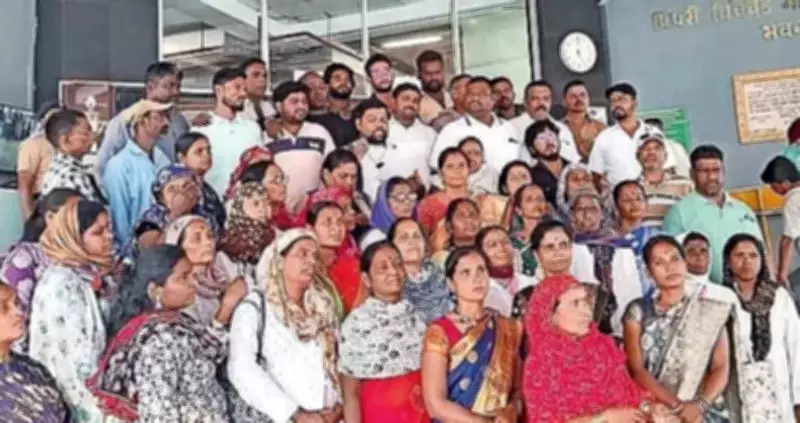
The sanitation workers escalated their grievances by staging a protest outside the PCMC headquarters on Monday. Following the demonstration, they met directly with Mayor Ravi Landge to present their demands.
In a formal letter submitted to the municipal corporation, the workers outlined additional critical issues beyond shift timings. They demanded timely payment of salaries, alleging systemic delays. Workers reported that instead of receiving their wages before the 10th of every month as prescribed, salaries are often disbursed much later, between the 20th and 25th, causing significant financial hardship. This delay, sometimes stretching up to two months, violates the established pay cycle and adds to the workers' plight.
Mayor Landge's directive marks a pivotal response to these multifaceted concerns, prioritizing the safety and welfare of women sanitation workers in Pune's Pimpri Chinchwad area.