

Punjab Budget Session Erupts in Heated Debate Over 2026-27 Fiscal Plan
The Punjab Vidhan Sabha's budget session witnessed a sharp and contentious debate on the budget estimates for the 2026-27 fiscal year, with the opposition Congress party dismissing the plan as a "jugglery of figures" designed primarily for electoral optics. The session, held in Chandigarh, saw intense scrutiny of the state's mounting debt, projected to reach Rs 4,47,754 crore, and demands for expanded welfare measures for women from marginalized communities.
Opposition Demands Equity in Welfare Allowances
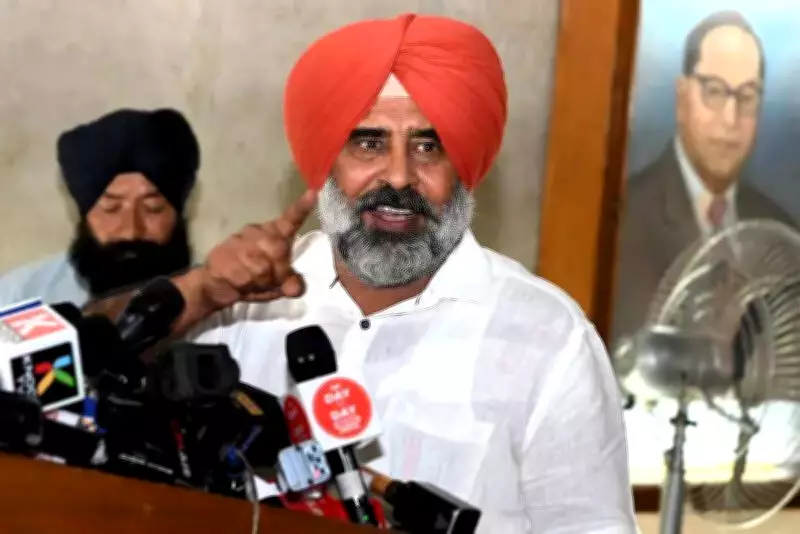
During the discussion, Congress MLA Pargat Singh led the charge against the budget, criticizing the AAP government's reliance on loans despite pre-poll promises to revitalize sectors like mining. He flagged the debt crisis as a major concern, stating that the state's financial health was deteriorating. The budget, presented by Finance Minister Harpal Singh Cheema, proposed the Mukh Mantri Mawan Dhian Satikar Yojna, offering a Rs 1,500 monthly allowance for SC women and Rs 1,000 for others.
However, opposition members demanded that this benefit be extended more equitably. BSP MLA Nacchatar Pal and AAP MLA Sukhwinder Kumar Sukhi, who quit SAD to join AAP, called for OBC and BC women to also receive the Rs 1,500 rate, citing their dire economic conditions. Sukhi appreciated the budget overall, claiming that combined with other welfare allowances, it would bring significant economic relief to households. In contrast, Pargat Singh argued that safety concerns for "brothers and sons" were a higher priority for Punjab's women than monthly stipends.

Scrutiny of Governance and Infrastructure Gaps
The debate extended beyond financial figures to broader governance issues. Pargat Singh launched a scathing attack on the law and order situation, questioning the transparency of a recent police encounter near the Pakistan border involving Ranjit Singh and demanding an inquiry commission led by a retired judge. He warned against the state becoming a "police state" and raised concerns about drug trafficking, asking why the state government was not effectively engaging with the Centre despite the BSF's extended 50 km jurisdiction along the international border.
On education, Singh challenged the AAP government's claims of reform by pointing out a decline in student enrolment in government schools. He also criticized the focus on Mohalla Clinics, branding it as mere "branding" while highlighting that the state has 8,000 hospitals with unmet needs. Congress MLA Barindermeet Singh Pahra highlighted deficient healthcare infrastructure in Gurdaspur, alleging non-functional oxygen plants and ventilators at the district hospital for years.
Independent MLA Inder Partap Singh flagged a critical gap in the Mukh Mantri Sehat Beema Yojna, noting that the mandate for treatment at government hospitals for premature deliveries was impossible due to the lack of neonatal ICUs. He also raised issues like overcharging of liquor by contractors at marriage palaces and concluded by warning that the budget's reliance on further borrowing—proposing a loan of Rs 50,000 crore—would deepen the state's debt crisis, potentially pushing it past Rs 5 lakh crore.
Personal Sparring and Allegations
The session turned personal when Pargat Singh raised past charges against AAP MLAs Vijay Singla and Fauja Singh Sarari, leading to sharp retorts. Singla accused the Congress MLA of "character assassination", while Sarari maintained there was no evidence against him. Meanwhile, Sukhi made allegations against a former Congress minister regarding irregularities in the post-matric scholarship scheme for SC students, which Congress MLAs objected to, pointing out that absent individuals cannot be named in the House.
Demands for Fair Fund Allocation
MLAs Nacchatar Pal and Barindermeet Singh Pahra also accused the ruling party of not releasing funds from opposition constituencies under the Rangla Punjab Vikas Scheme. They demanded that this be addressed in the upcoming fiscal year to ensure equitable development across the state.

The budget session underscored deep divisions over Punjab's fiscal management and governance priorities, with the opposition highlighting debt, welfare disparities, and infrastructure gaps as critical issues needing immediate attention.





