

Punjab Farmers Confront Severe Weather Threat as IMD Issues Orange Alert
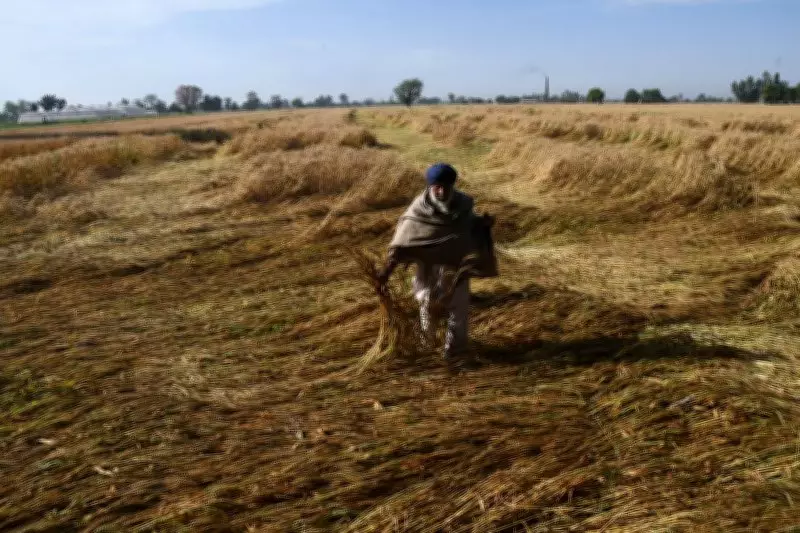
The agricultural heartland of Punjab is on high alert as the India Meteorological Department (IMD) has issued an orange warning, signaling the potential for severe weather conditions that could exacerbate the already mounting crop damage. This development comes as a significant blow to farmers who are still reeling from previous losses, with many fearing for their livelihoods in the face of another climatic challenge.
Details of the IMD Orange Warning
The IMD's orange warning, which indicates a high level of alert for adverse weather, has been specifically issued for Punjab. This alert is typically reserved for conditions that pose a substantial risk to life and property, including heavy rainfall, hailstorms, or strong winds. The warning underscores the vulnerability of the region's agricultural sector to unpredictable weather patterns, which have become increasingly frequent in recent years.
Farmers across Punjab are now bracing themselves for the potential impact, with many reporting that their crops have already suffered significant damage due to earlier weather events. The orange warning has heightened anxieties, as it suggests that the situation could deteriorate further, leading to more extensive losses.

Mounting Crop Damage and Farmer Concerns
Crop damage in Punjab has been mounting steadily, with reports indicating that key crops such as wheat, rice, and vegetables have been affected. The combination of unseasonal rains, hailstorms, and fluctuating temperatures has taken a toll on agricultural output, threatening food security and economic stability in the state.
Farmers have expressed deep concern over the financial implications of this crisis. Many rely heavily on their crops for income, and the repeated setbacks have left them struggling to recover. The orange warning adds to their woes, as it raises the specter of additional damage that could push them further into debt and distress.
Key factors contributing to the crop damage include:- Unpredictable weather patterns linked to climate change
- Inadequate infrastructure for weather forecasting and early warning systems
- Limited access to crop insurance and government support mechanisms
Response and Preparedness Measures
In response to the IMD warning, local authorities and agricultural departments in Punjab are ramping up preparedness efforts. Farmers are being advised to take precautionary measures, such as securing their crops and livestock, and staying informed about weather updates. However, there are concerns that these measures may not be sufficient to mitigate the full impact of severe weather.
Experts emphasize the need for long-term strategies to build resilience in the agricultural sector. This includes investing in better weather prediction technologies, promoting climate-resilient farming practices, and enhancing support systems for farmers during crises.
The ongoing situation highlights the urgent need for coordinated action to protect Punjab's farmers and ensure the sustainability of its agriculture.Broader Implications for Punjab's Economy
The agricultural crisis in Punjab has broader implications for the state's economy, which is heavily dependent on farming. Crop damage not only affects farmers directly but also impacts related industries, such as food processing and transportation. The orange warning serves as a stark reminder of the vulnerabilities faced by rural communities and the importance of proactive measures to safeguard their interests.
As farmers brace for another potential blow, the focus is on how quickly and effectively support can be mobilized to help them navigate this challenging period. The outcome will likely influence future policies and initiatives aimed at strengthening Punjab's agricultural resilience against climate-related threats.






